Hobart After Dark
There is something about Hobart in winter that seems made for the dark.
During Dark Mofo, familiar places take on another life. Buildings glow red, the Tasman Bridge cuts a line of light across the Derwent, strange installations appear in unexpected places, and crowds gather in spaces completely transformed after nightfall.
For me, it is the contrast that draws the camera — darkness and light, stillness and movement, the enormous structures and the small human moments happening amongst them.
These photographs are a collection of some of those moments: Dark Mofo, through my eyes.
Before The Burning
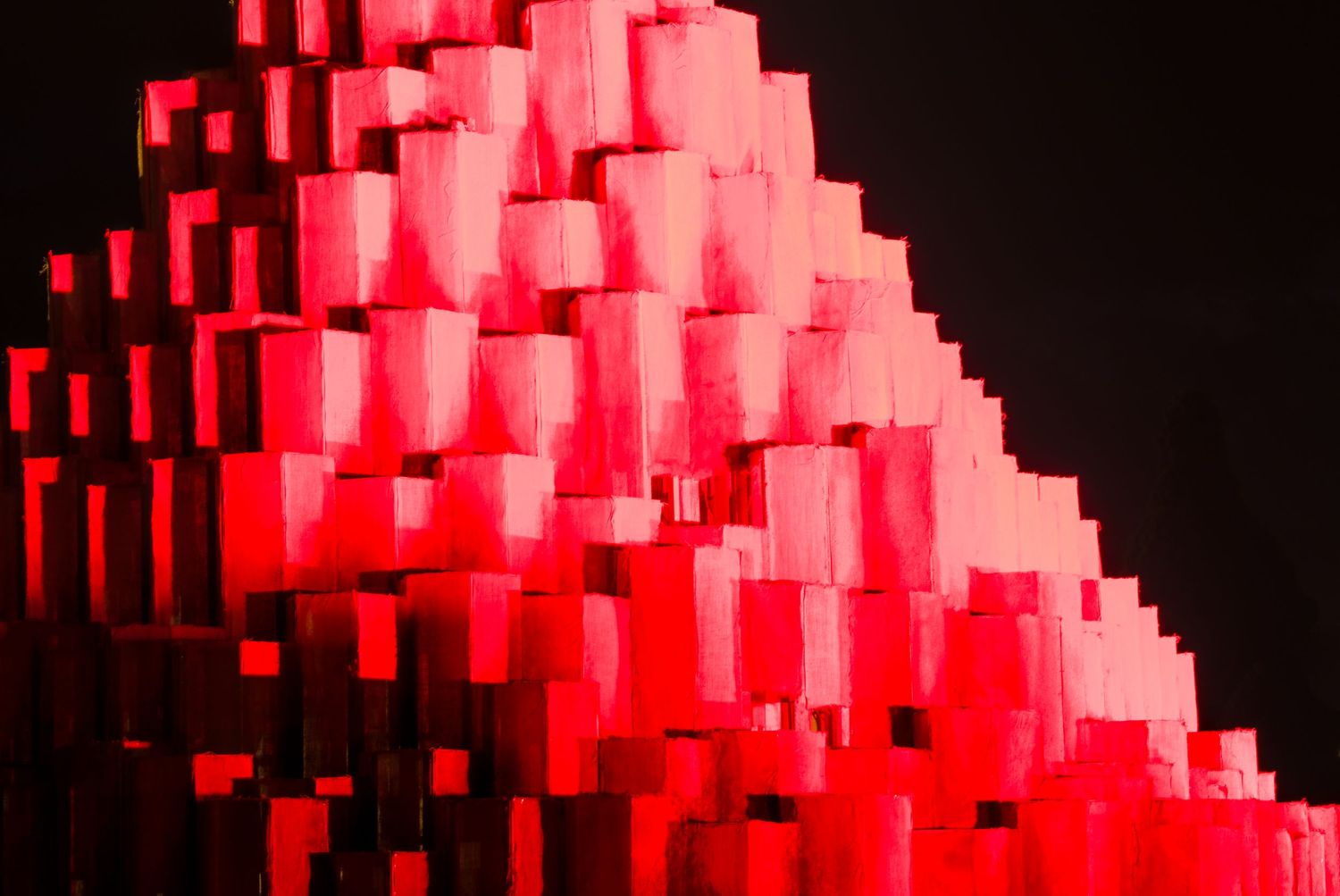
Into The Red
Crowds and I don't mix particularly well. I avoid them whenever I can, so deciding that I wanted to photograph Dark Mofo was actually a bigger undertaking for me than it might seem.
I wanted to capture the atmosphere of Hobart during the festival because there really is nothing quite like it. I'm not someone who would describe myself as a great follower or appreciator of contemporary art — although I suppose, as a photographer, I've somehow found myself becoming an artist in my own way. What draws me to Dark Mofo is the atmosphere it creates. For a few winter nights, Hobart simply feels different.
Held around Tasmania's winter solstice, Dark Mofo embraces the darkest part of our year rather than hiding from it. The fires are lit from late afternoon and, as daylight disappears, Hobart begins to glow. Red light spills across buildings and streets, flames burn against the winter cold, and familiar parts of the city become almost unrecognisable.
MONA and David Walsh have had an extraordinary impact on Hobart, and Dark Mofo is perhaps one of the most visible examples of that. In the middle of a Tasmanian winter, when the city could so easily retreat indoors, it comes alive.
So I approached photographing it in a way that worked for me. I arrived early, wandered and photographed while things were still relatively quiet, and planned to leave before the crowds became too much.
By around 8 or 8.30 that evening, they were doing exactly that.
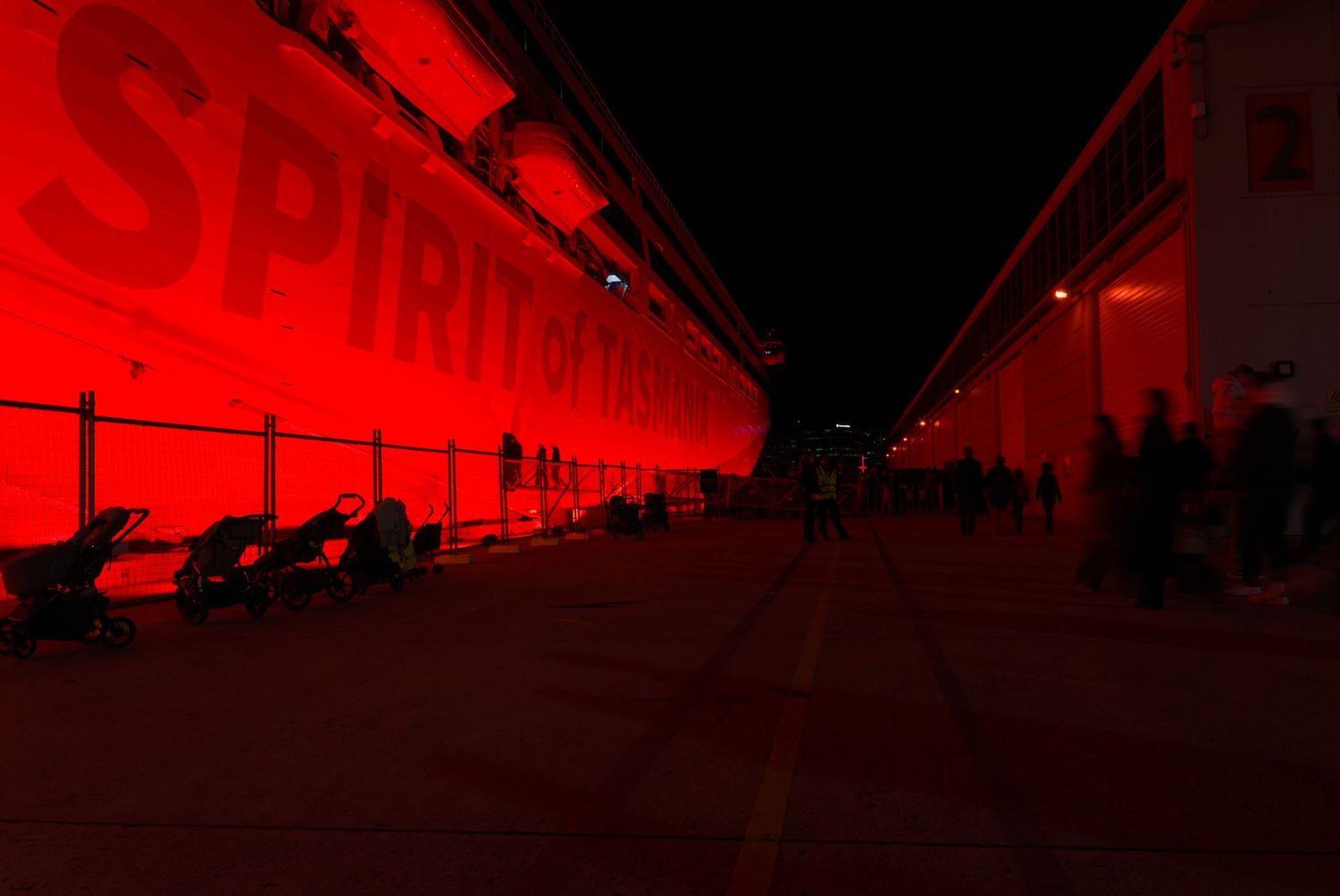
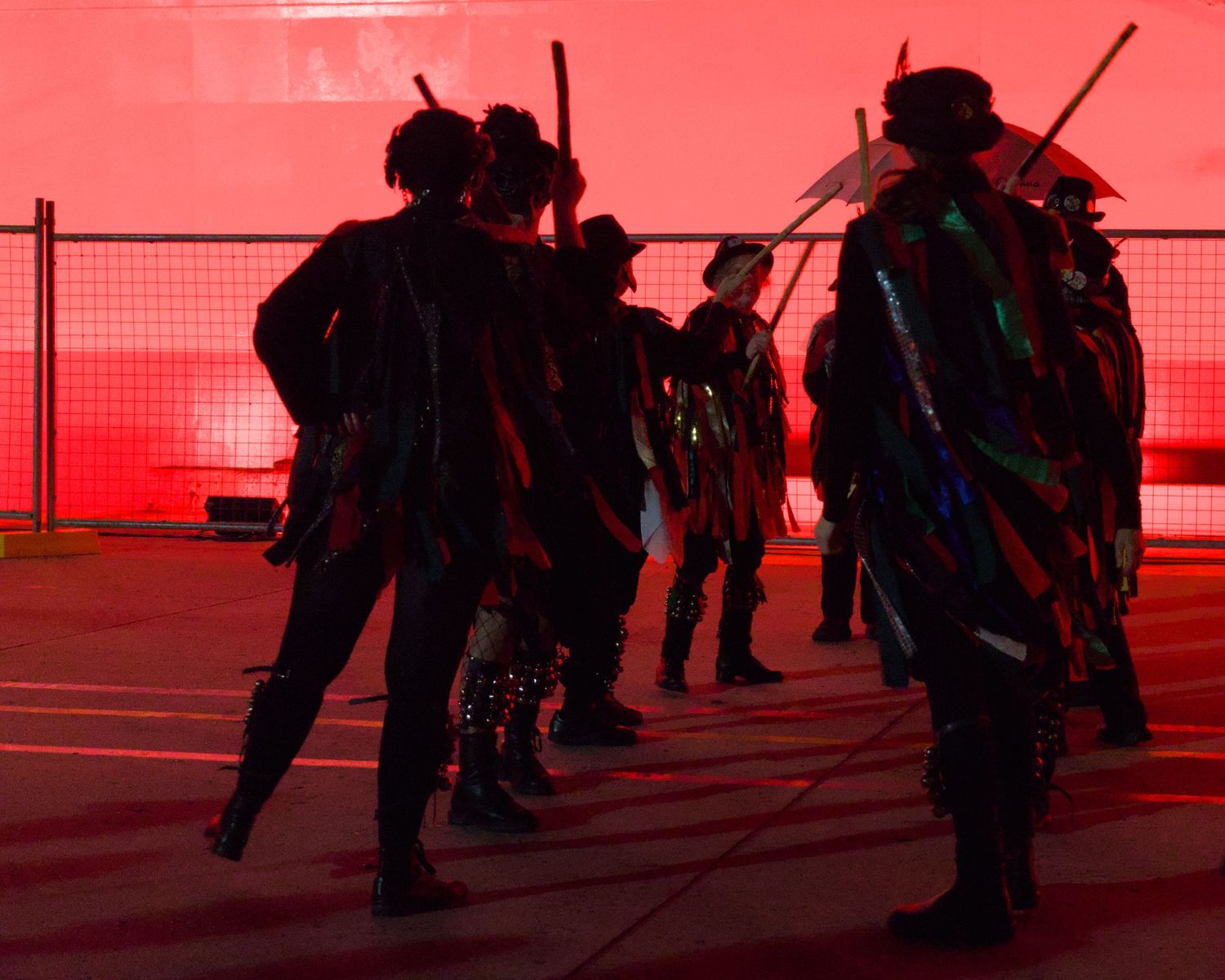
As I stepped off the Spirit of Tasmania, I came across performers dancing around the end of the gangway, bells around their ankles, singing and moving as a crowd gathered around them. It was the movement, sound and gathering of people that caught my attention and made me stop for one more photograph.
Surrounded by red light, fire, music and an ever-growing crowd, the atmosphere was eerie and energetic, somehow both cold and warm at once.
That was my cue to leave.
But it wasn't quite the end of my Dark Mofo adventure. I ventured back into the festival on the weekend with my daughter, my sister and a friend, some of whom had never experienced Dark Mofo before. Having them beside me made something I find genuinely challenging much more manageable.
We made our way into the crowds, visited the Winter Feast, ate, drank warm mulled wine and cider, and simply enjoyed being part of it all.
It was challenging. It was crowded. And I'm glad I did it.
Sometimes photography gets me out into the quiet places I love. Sometimes, apparently, it takes me straight into the middle of a Dark Mofo crowd.
Gathering in Red — Dark Mofo, Hobart
Finding The Lines
Leaving the crowds behind didn't mean putting the camera away.
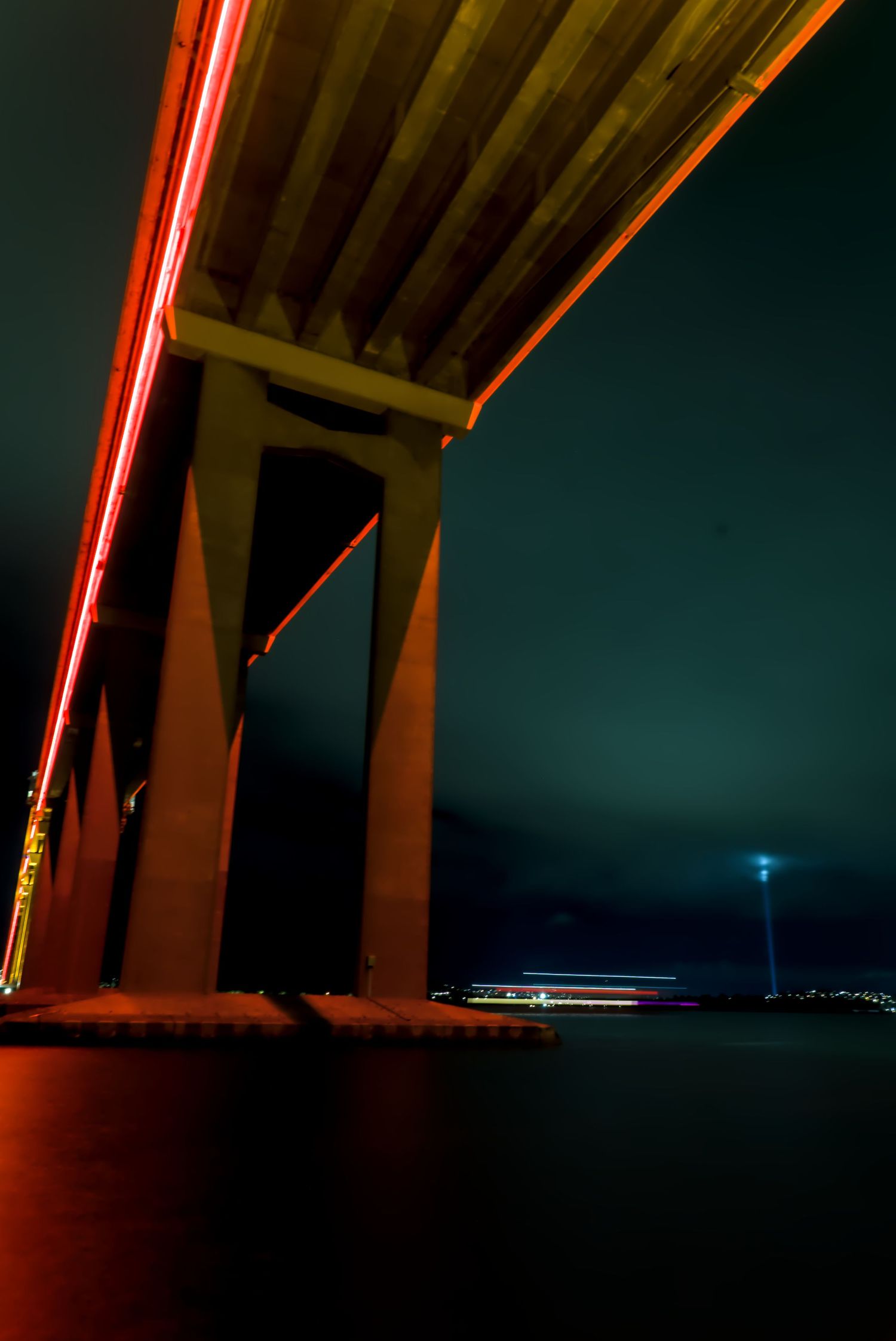
On my way home, I stopped at the Tasman Bridge. Dark Mofo had transformed it into this extraordinary red structure stretching across the Derwent, and I couldn't resist spending some time photographing it.
I've always been drawn to geometry in photographs — which is slightly ironic given that maths and I have never been particularly good friends. It's the visual side of geometry that fascinates me: symmetry, repeating patterns, strong lines and the way a structure can change completely depending on where you stand.
The Tasman Bridge gave me plenty to play with.
While I was photographing it, I noticed a ferry travelling underneath. I waited for it to emerge from the other side of the bridge and caught it as it moved through the frame, its lights creating a streak across the water.
In the distance was spectra, Ryoji Ikeda's tower of light rising into the night sky from MONA at Berriedale. Suddenly I had the red bridge, the movement of the ferry and that beam of white light in the distance all coming together in one photograph.
Sometimes that's the part of photography I enjoy most. You can find the composition you want, choose where to stand and wait — but then something you hadn't planned enters the frame and makes the photograph.
I stayed around the bridge for a while longer, looking for different angles and playing with its lines, pylons, symmetry and repeating shapes.
After the noise and crowds of Dark Mofo, it was much more my kind of photography: just me, the camera, the bridge and the night.
Passing Through
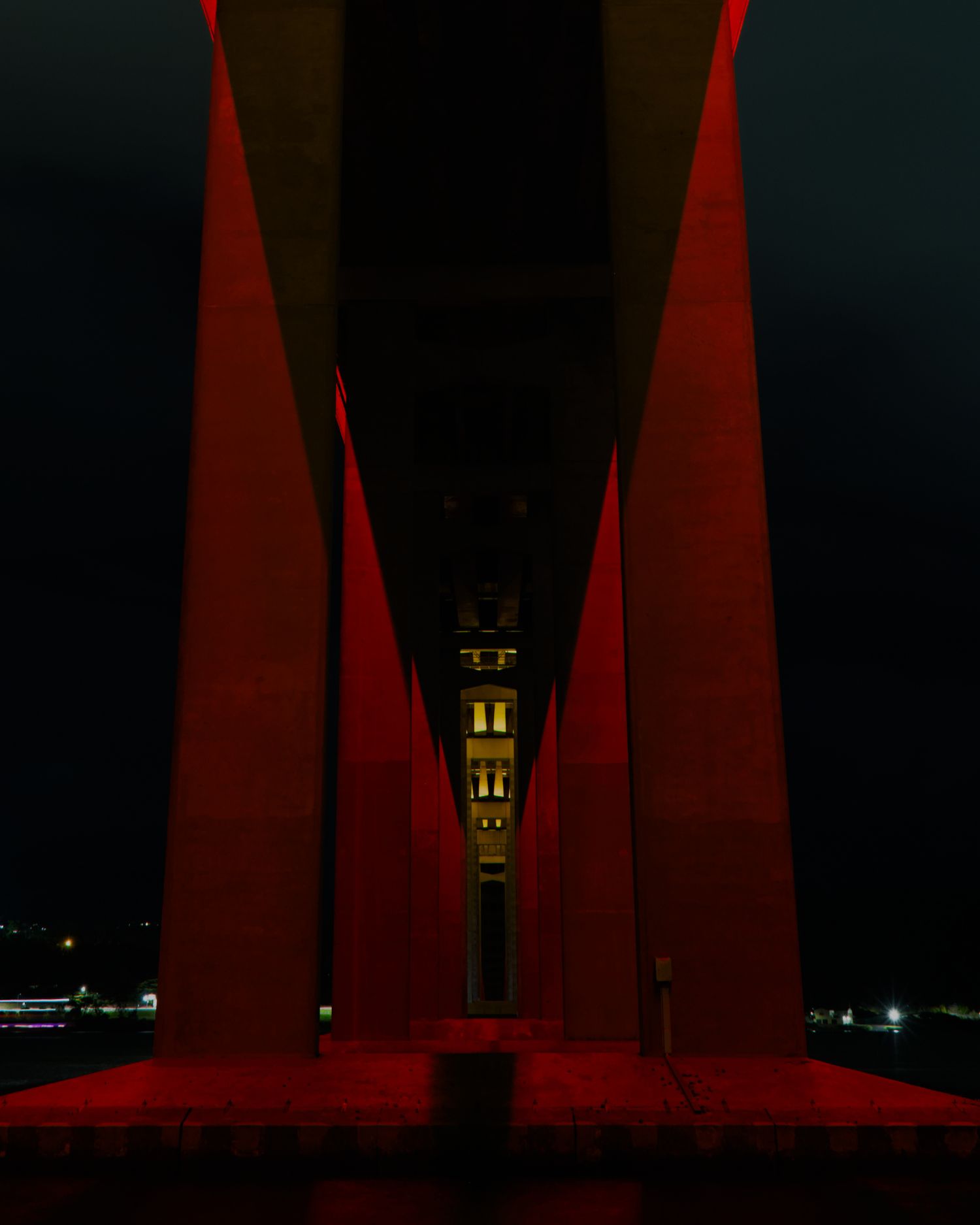
Under The Red
Beneath The Lights
Light, Movement and Imagination
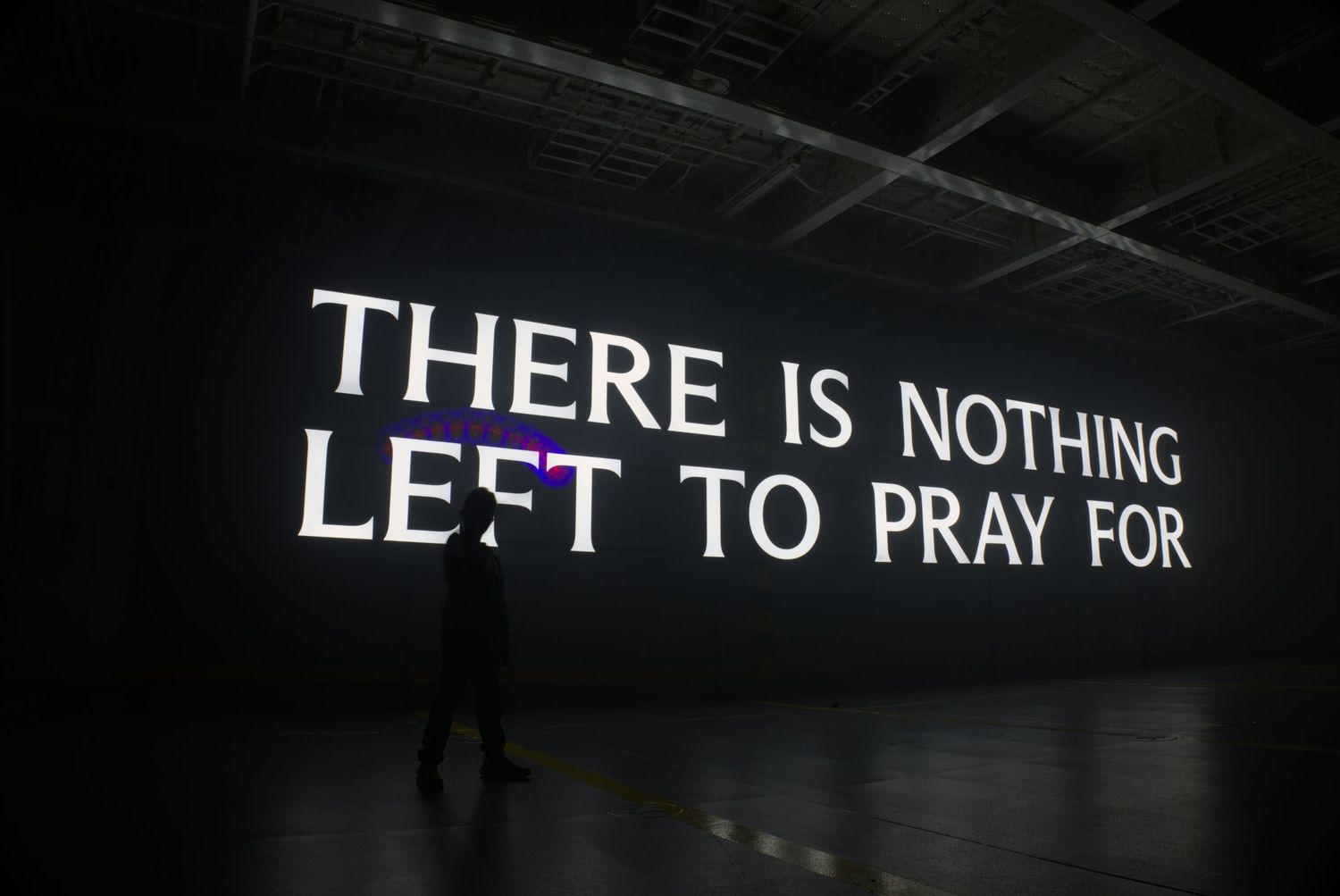
Of all the installations I experienced at Dark Mofo, Soundspace was one I particularly loved.
Suspended lights moved up and down in waves and patterns above us, accompanied by an almost mechanical buzzing as they travelled. I found the whole thing completely mesmerising. Standing beneath them, my imagination took over. At different moments they became tiny drones, little aliens, insects or fireflies — a strange collection of living things moving and communicating above us.
I stayed for twenty or thirty minutes the first time, watching, photographing and trying different ways of capturing not just what the lights looked like, but what it felt like to stand amongst them.
When I returned later with my daughter, sister and a friend, it was fascinating to discover just how differently the same installation could be experienced. While I could have happily stayed there watching those lights move for much longer, my friend had almost the opposite reaction. For her, the movement, sound and atmosphere created feelings of fear and anxiety, and she couldn't wait to leave.
Neither reaction was wrong. We were standing in exactly the same place, experiencing exactly the same artwork, and yet it was creating two completely different worlds in our heads.
That stayed with me as we moved through Dark Mofo.
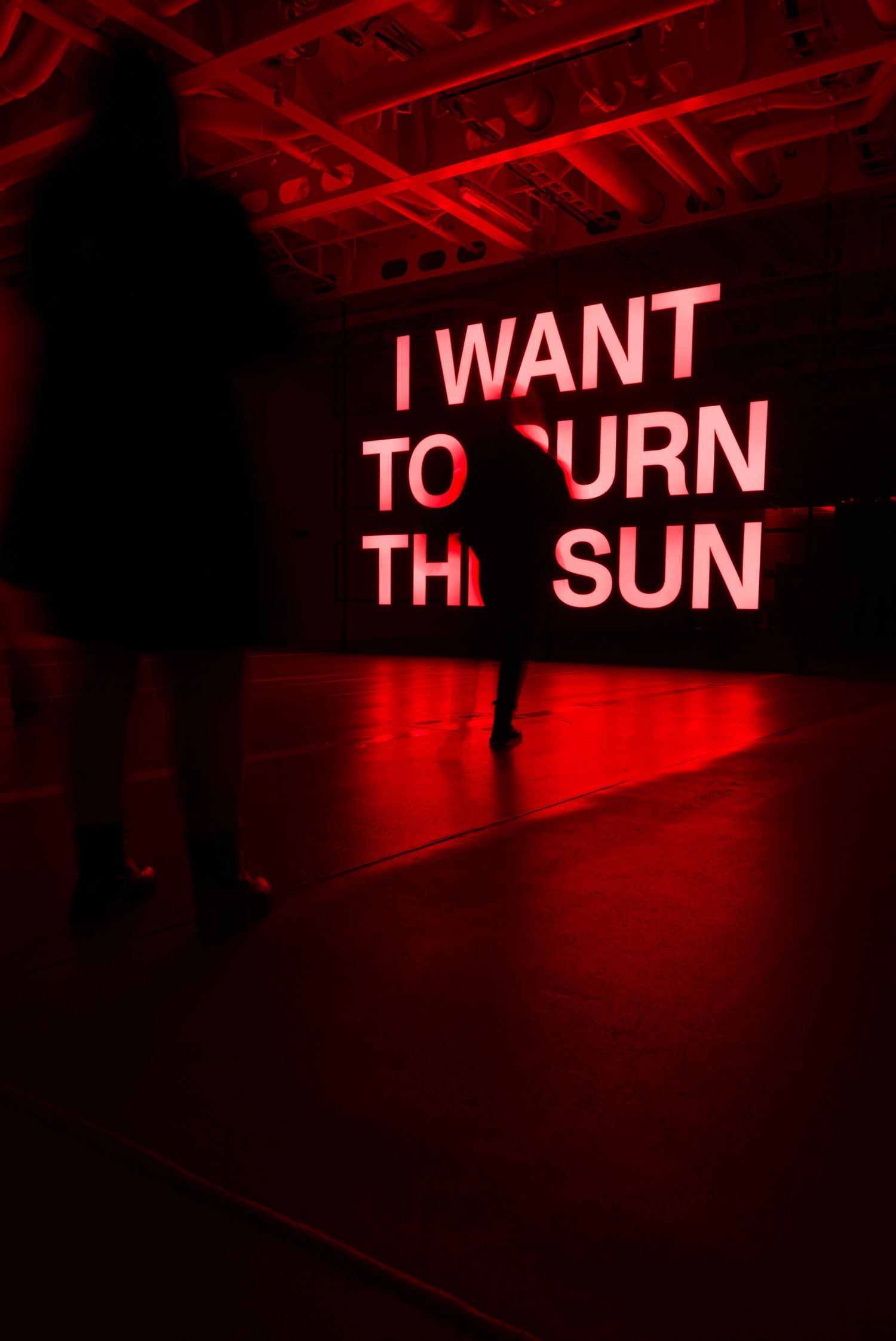
Another installation presented a rapid succession of photographs, appearing and disappearing so quickly that there was barely time to comprehend one before it was replaced by the next. Some were beautiful; others disturbing. There were glimpses of people, history, terror, horror, colour and art, arriving almost faster than I could process them.
Perhaps that's part of what I find interesting about Dark Mofo. You don't necessarily have to understand an artwork, or even like it. You bring yourself to it — your imagination, your memories, your fears, the things that fascinate you and the things that make you uncomfortable — and whatever happens between you and the work is your experience of it.
For one person, a room filled with moving lights can be magical.
For another, the same room can feel threatening.
For me, on that night, they became little creatures in the darkness.
Among the photographs I made was this quieter moment: two women sitting beneath all that movement and light. Their stillness against the constantly changing installation caught my attention. Looking at the photograph now, I think that's part of why I keep coming back to it.
Everything above them is moving.
They simply sit and watch.
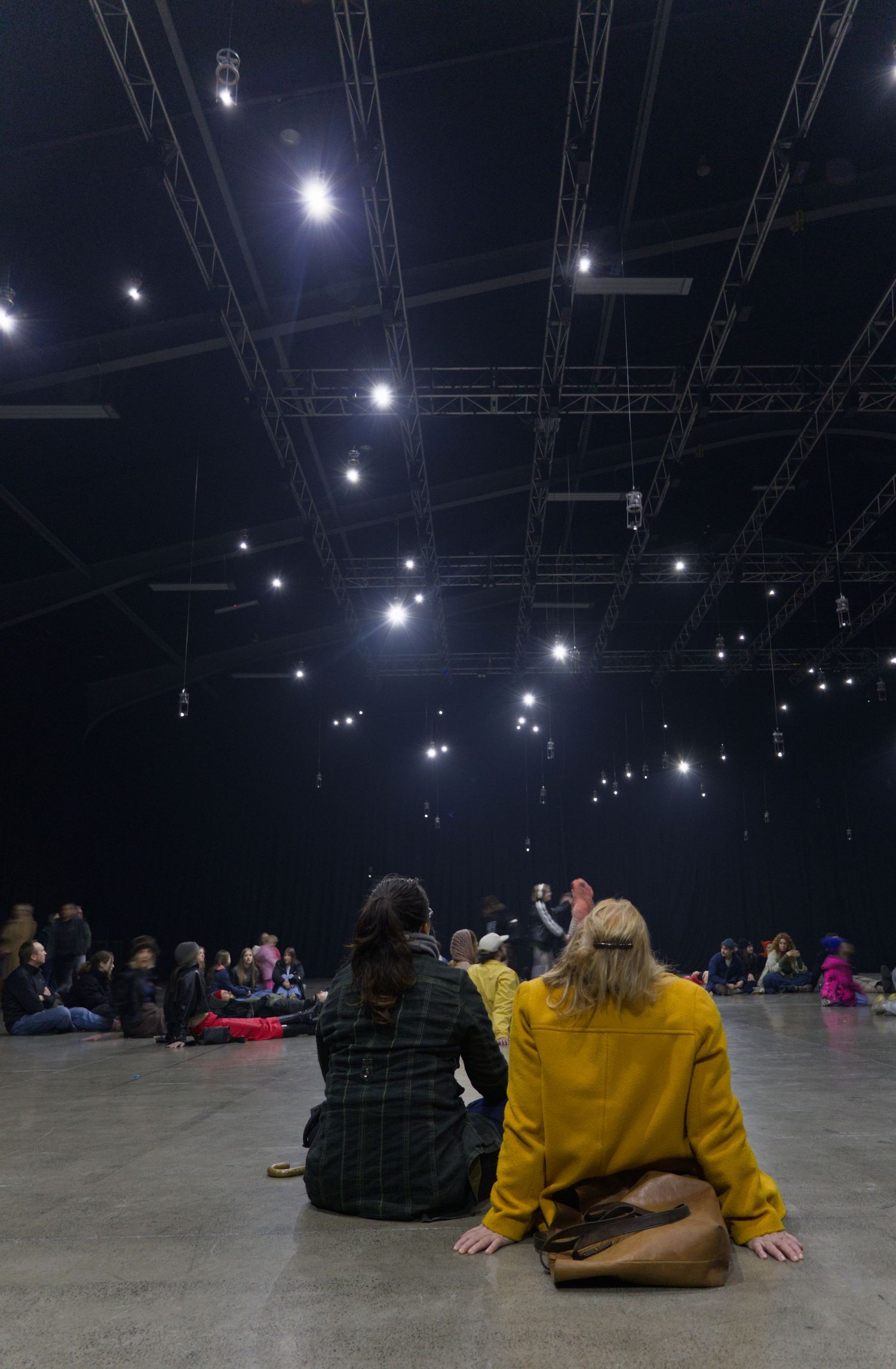
Beneath The Lights
Photographing Ghosts
Movement became something I wanted to experiment with deliberately as I photographed my way through Dark Mofo.
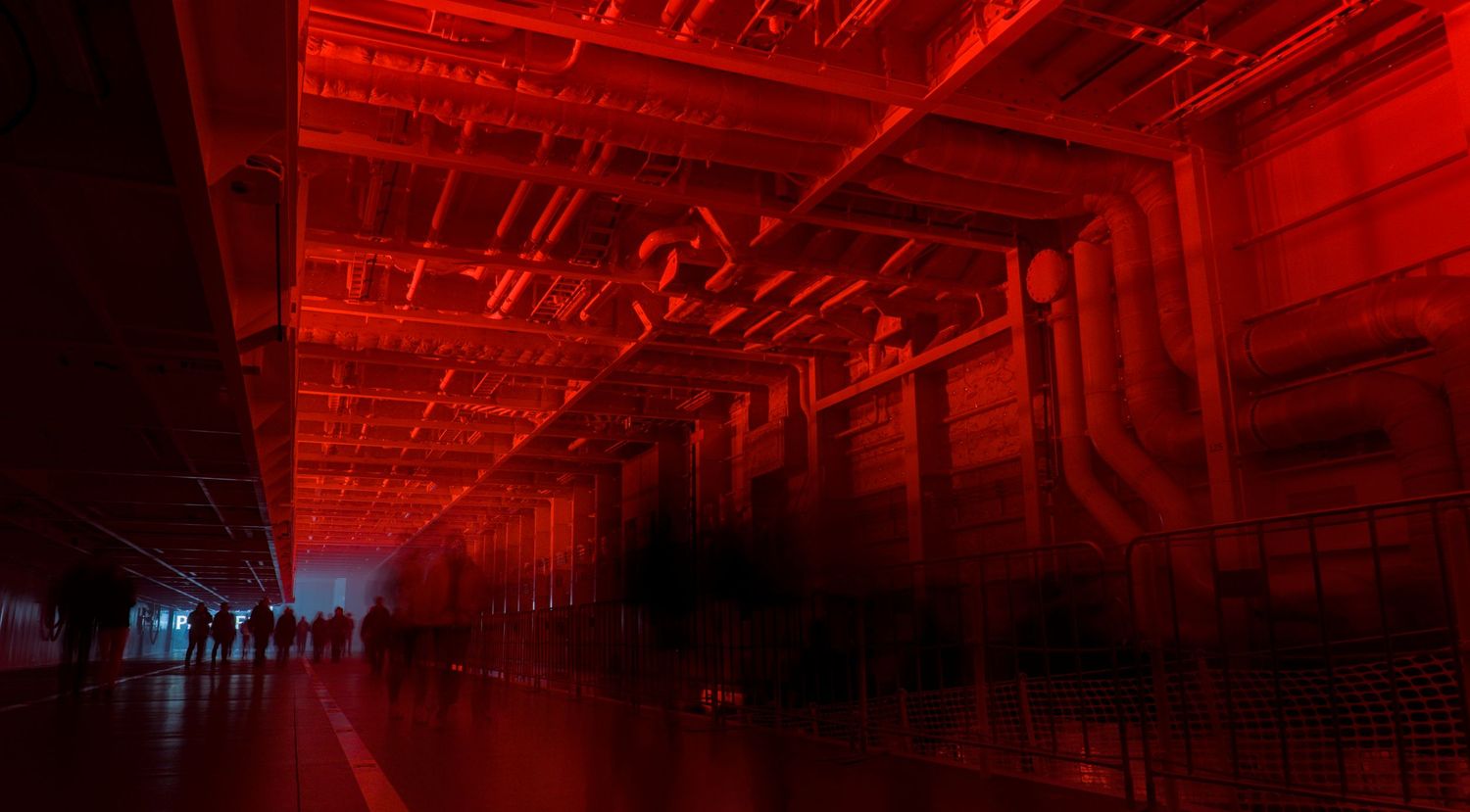
In some of these spaces, it was the symmetry that first caught my eye — pipes, lines, structures and repeating shapes that I wanted to keep perfectly still and ordered within the frame.
The people moving through them were another matter.
Rather than photographing recognisable individuals, I wanted them to become part of the atmosphere: human figures that were clearly there, but without anyone being particularly identifiable. Almost like ghosts passing through an otherwise perfectly still space.
Getting that balance wasn't quite as simple as it sounds. The shutter needed to be slow enough to record their movement, but not so slow that they disappeared completely. I wanted just enough detail left to recognise a human form while allowing the movement to blur away individual features.
So I composed the background carefully, set up the tripod, and waited.
Then I photographed group after group as they passed through the frame, making multiple exposures and watching how differently people registered depending on how quickly they moved.
It became a little experiment in finding the point between stillness and movement — the ordered geometry remaining fixed while these temporary, almost spectral figures passed through it.
Perhaps appropriately for Dark Mofo, I found myself photographing ghosts.