Chasing The Lights
This trip really began the night before it began.
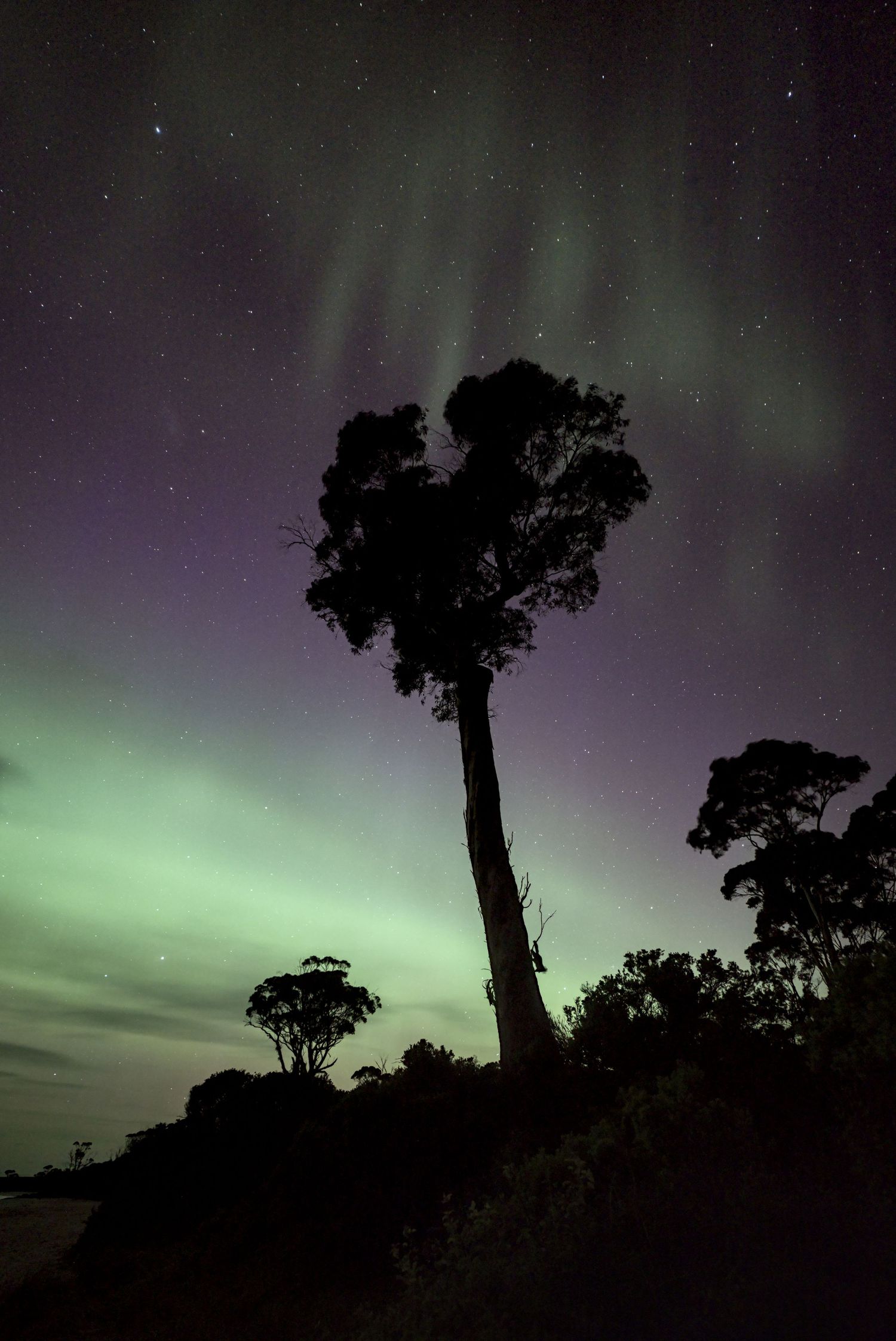
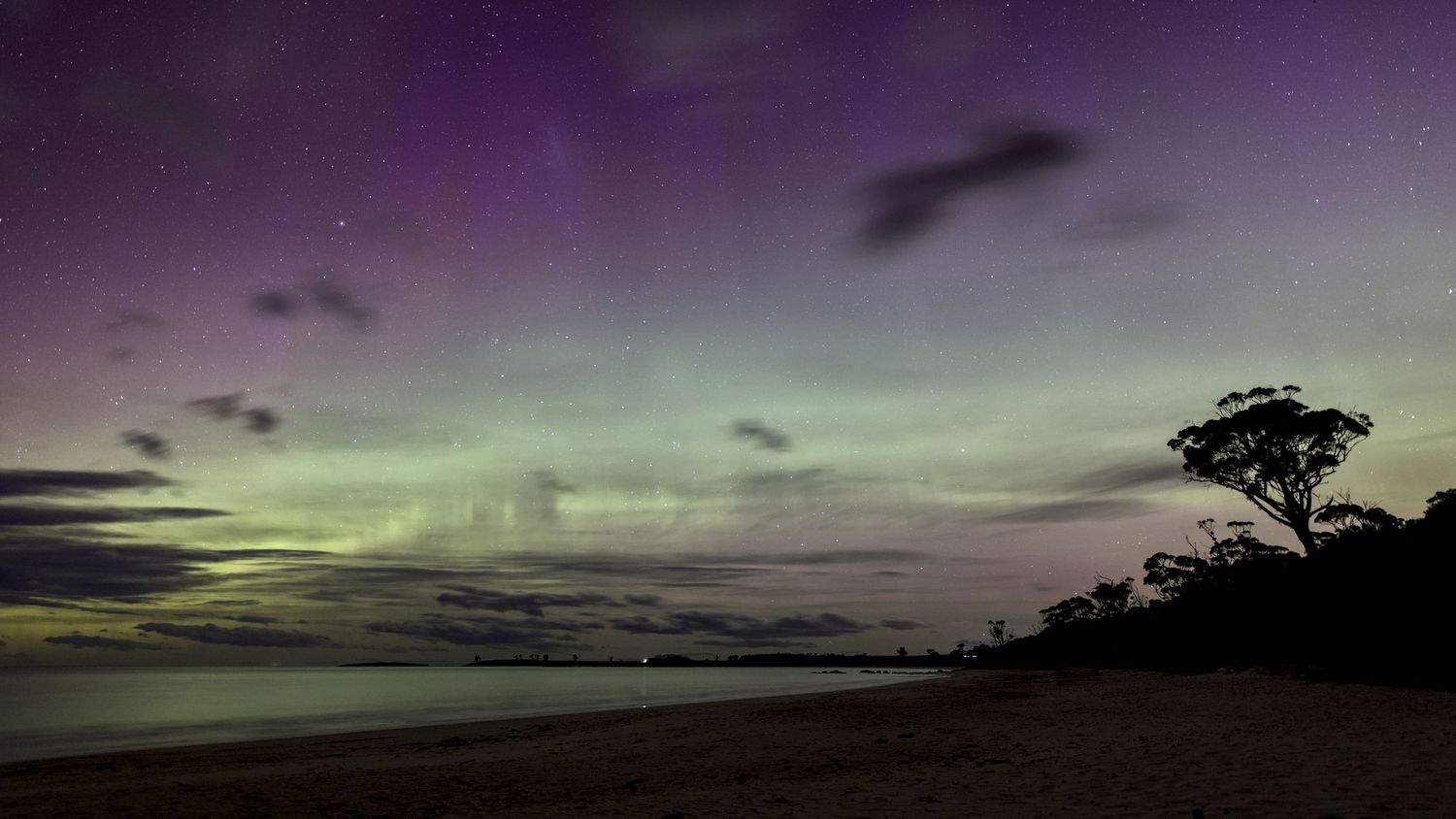
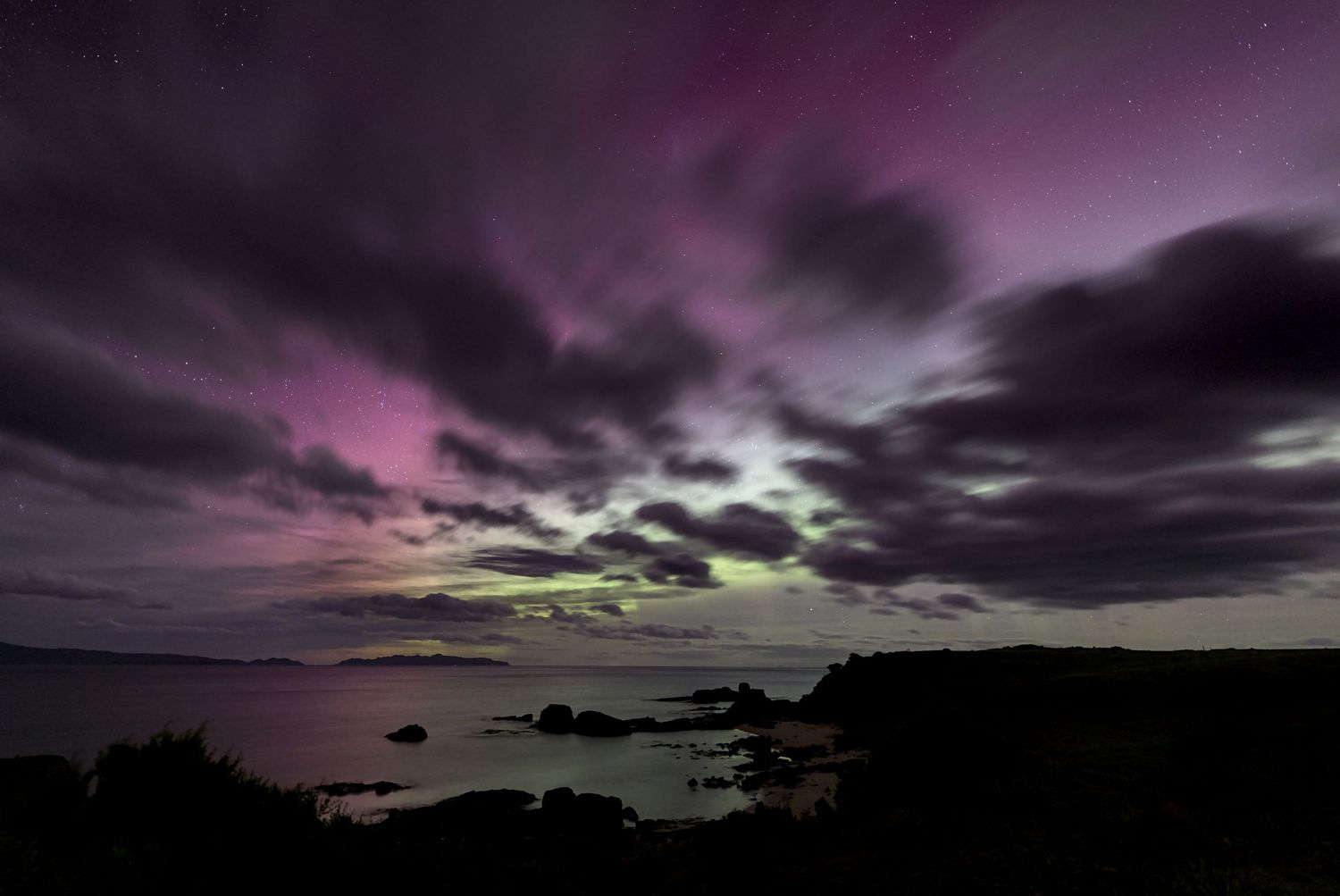
An aurora was forecast over Tasmania, and rather than watch it from home, a friend and I headed up Tasmania’s East Coast, following the Southern Lights through Orford and Triabunna and eventually as far as Spiky Beach. The sky glowed predominantly green that night — beautiful, if not quite the spectacular display I’d been hoping for.
But it was enough to make me want to keep chasing the light.
After a few hours’ sleep back home, I packed the camera gear and headed east again — this time for two nights at Dolphin Sands, looking across Great Oyster Bay towards the Hazards and Freycinet Peninsula. I was still hoping the aurora might return, but this trip was beginning to turn into something much more than a night-sky chase.
Over the next couple of days, the journey would take me beneath the Milky Way at Dolphin Sands, into Freycinet National Park and up to the Wineglass Bay Lookout, along the coastline at Spiky Beach, and eventually to an old homestead I hadn't planned to photograph at all.
I went east looking for one particular kind of light.
As it turned out, some of my favourite photographs from the journey would come from everything I found along the way.
Back to the East Coast
After the first night's aurora chase, I headed home, caught up on some sleep, and the following day packed up and pointed the car east again.
This time I was travelling alone, heading for two nights at Dolphin Sands and a little shack tucked just behind the dunes. From there, it was only a short walk over the sand to Great Oyster Bay, with the unmistakable outline of the Hazards rising across the water and a wonderfully open view of the southern sky.
On paper, it seemed like the perfect place to wait for another aurora.
Unfortunately, the Southern Lights had already put on their show. By that night there was little more than a faint glow lingering on the horizon.
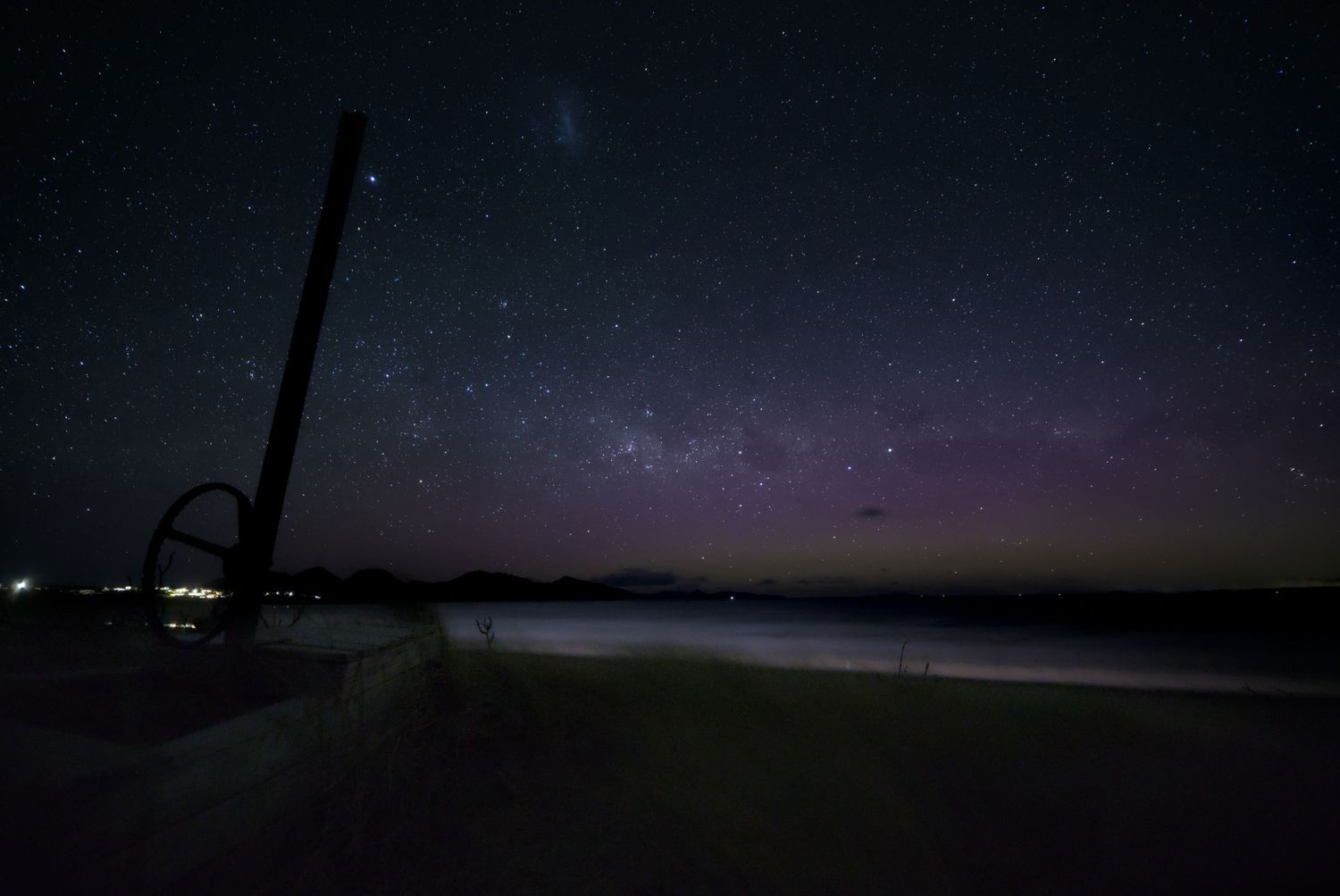
But while exploring the dunes, I found something I hadn't been looking for at all — a little wooden play boat sitting in the sand, left there for children to climb into and imagine their own adventures.
It immediately became my foreground.
Behind it, the Hazards sat across the bay while the Milky Way stretched through the night sky, accompanied by just enough lingering aurora colour to remind me what had brought me there in the first place.
The spectacular aurora I'd driven north hoping for never arrived. But I came home with one of my favourite photographs from the trip anyway.
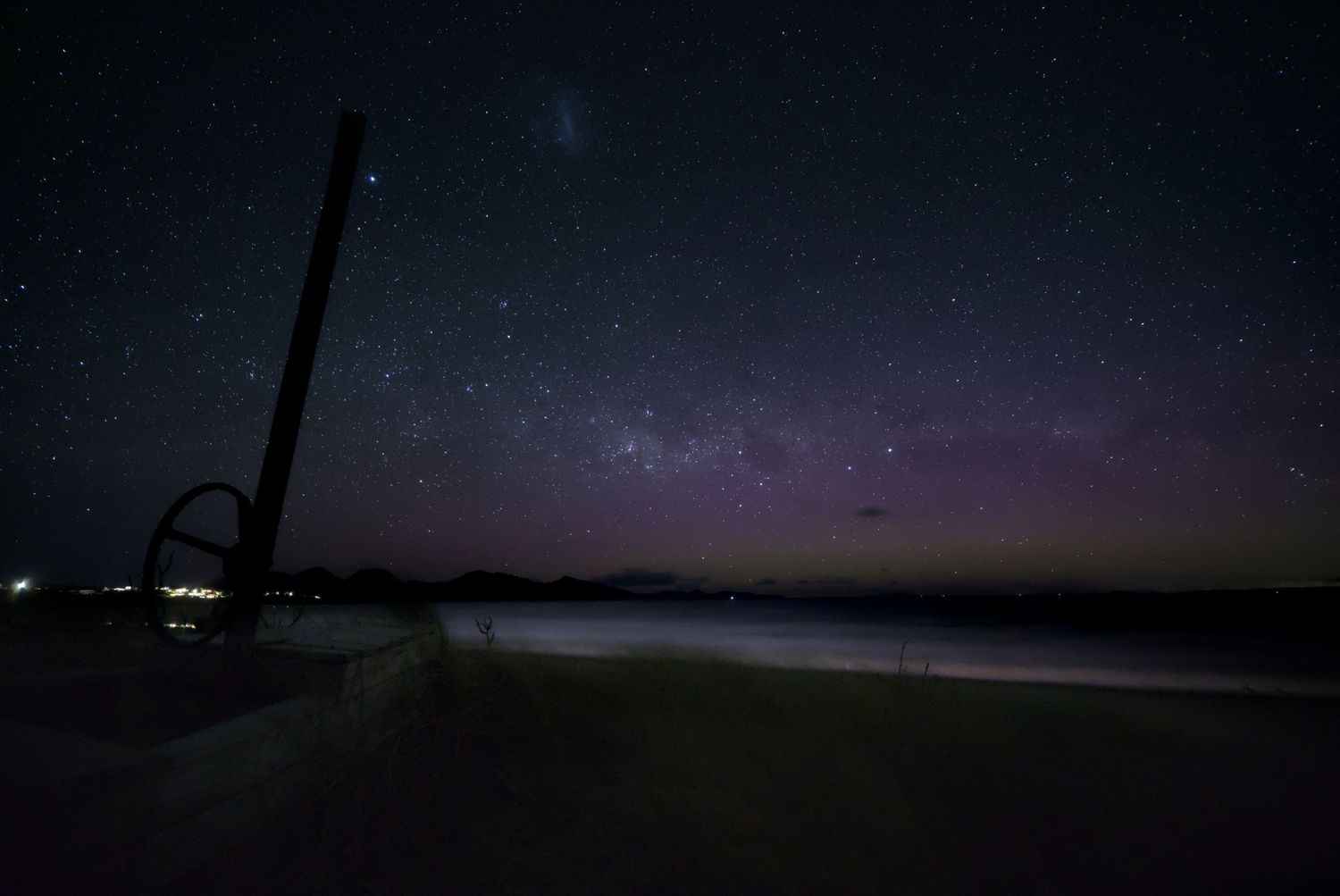
A little boat beneath a very big sky — Dolphin Sands, Tasmania.
Into Freycinet
The next morning brought a completely different kind of light.
After two nights spent looking towards dark southern skies, I woke to a beautiful clear day and headed into Freycinet National Park.
The plan was simple: walk up to the Wineglass Bay Lookout, camera in hand, and enjoy one of Tasmania's most recognisable views. Somewhere on the climb I was also reminded — rather emphatically — that I wasn't quite as fit as I'd like to think I was.
Eventually, though, the track opened onto that familiar view: Wineglass Bay curving between the granite peaks of the Hazards, brilliant blue water below and barely a cloud in the sky. No aurora to wait for, no long exposures and no wondering what the sky might decide to do. Just a beautiful East Coast day and a camera.
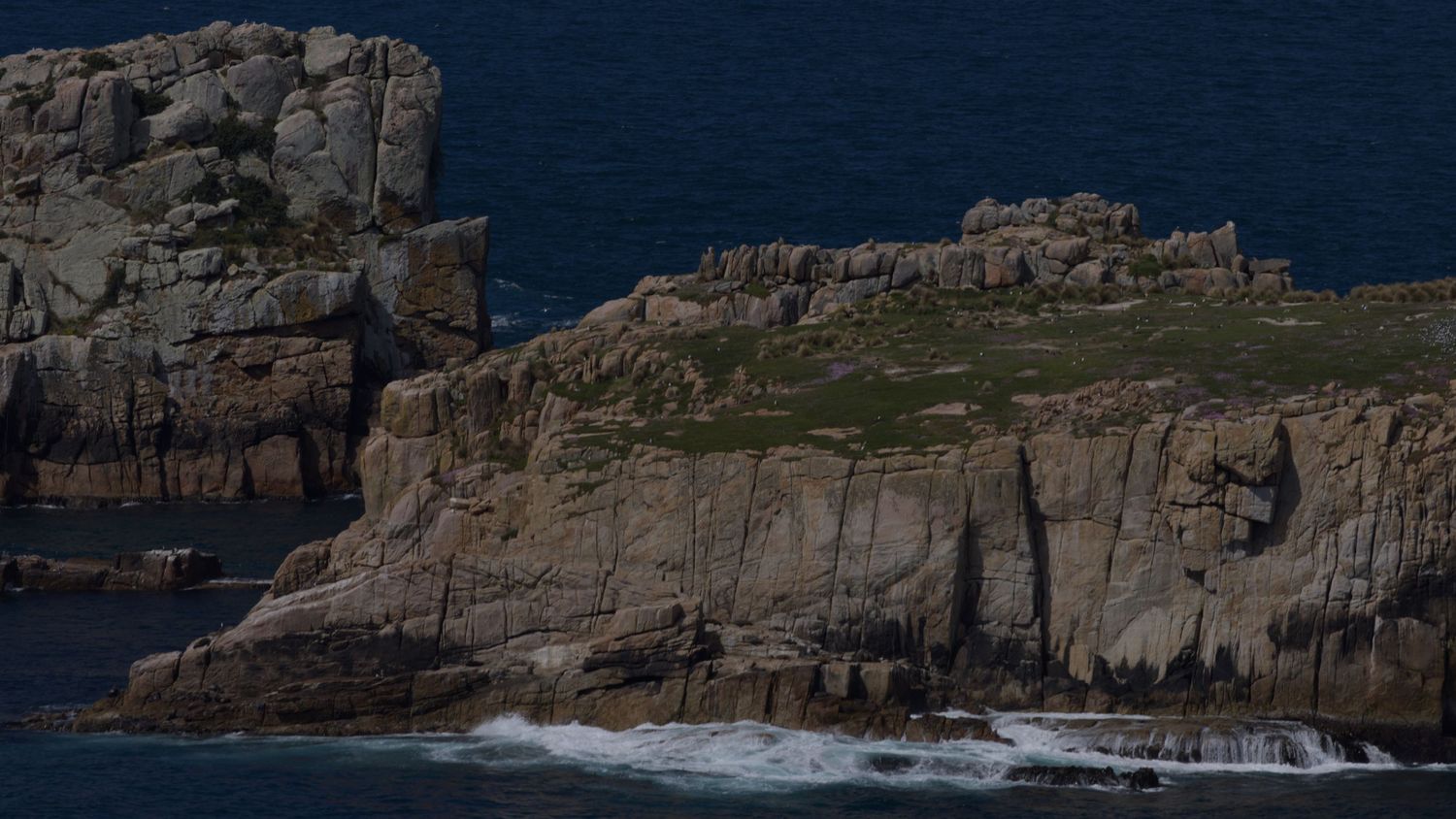
After making my way back down, I spent some time driving further through the national park, stopping at the lookouts and viewing platforms along the way. From the eastern side of the peninsula, the landscape changed again — granite, blue water and a much wilder shoreline stretching out towards the Tasman Sea.
There wasn't really a grand adventure that day. I walked, photographed, explored, discovered exactly how much climbing I need to add to my fitness regime, and eventually made my way back to Dolphin Sands.
Sometimes that's enough.
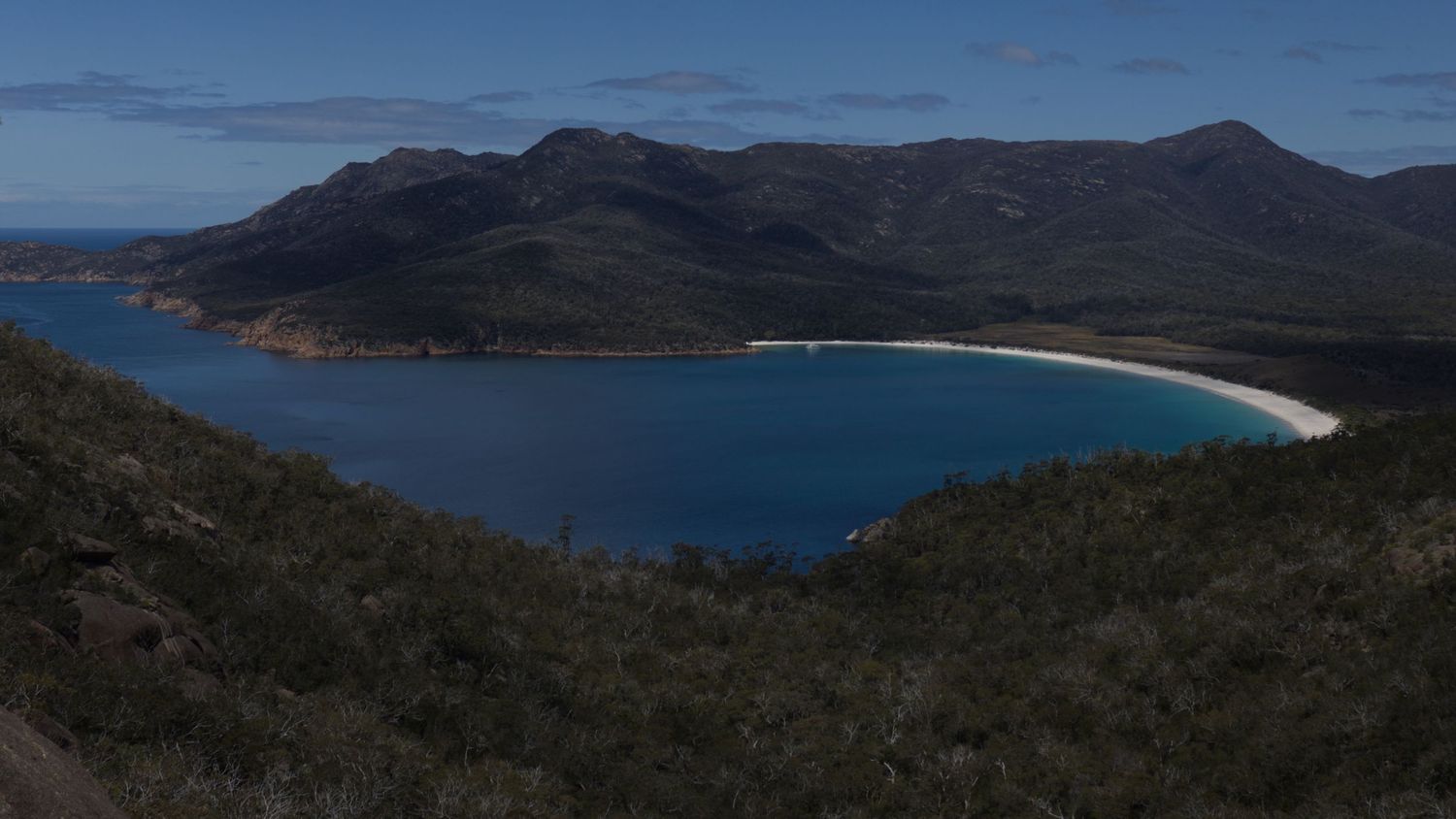
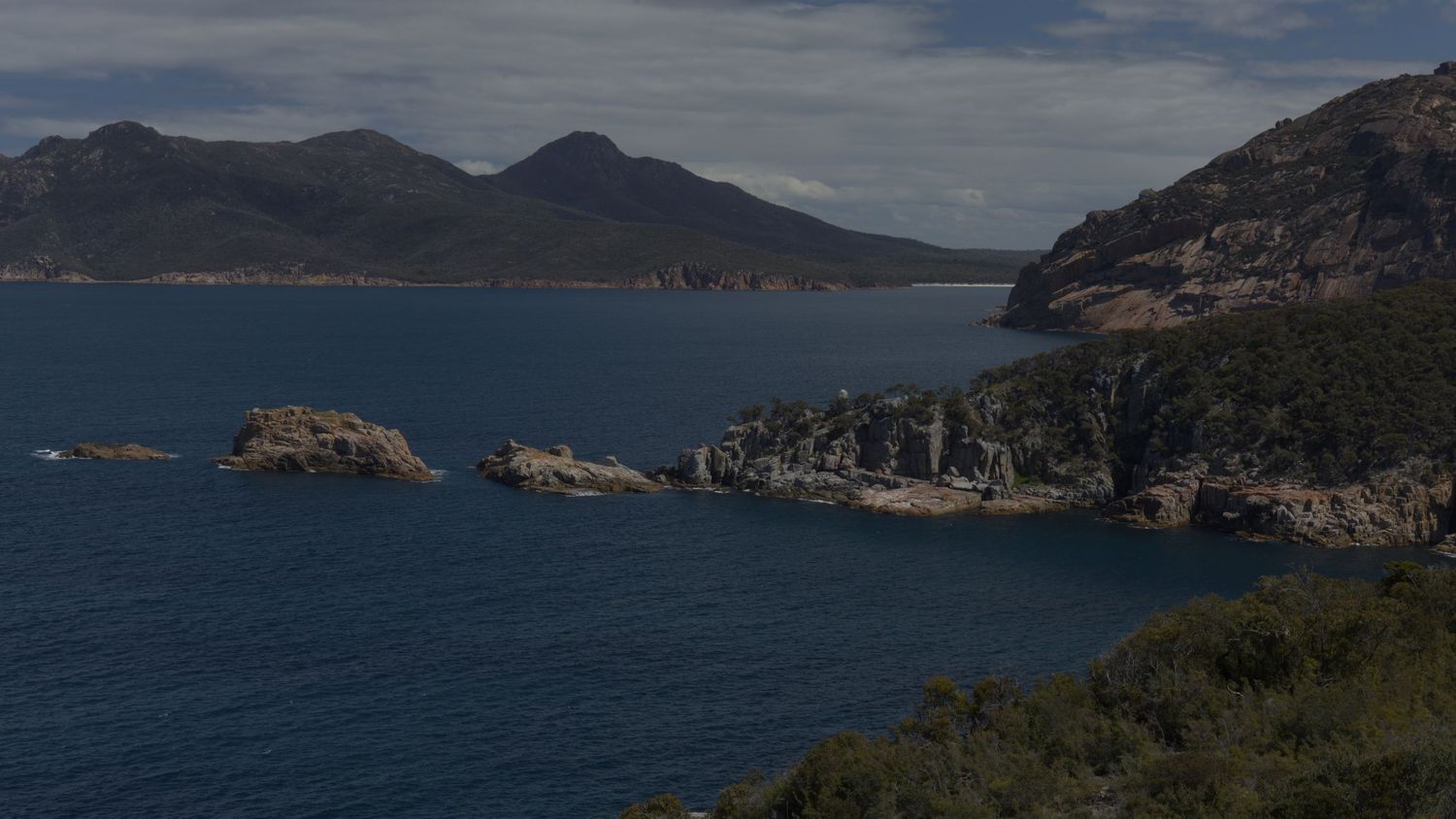
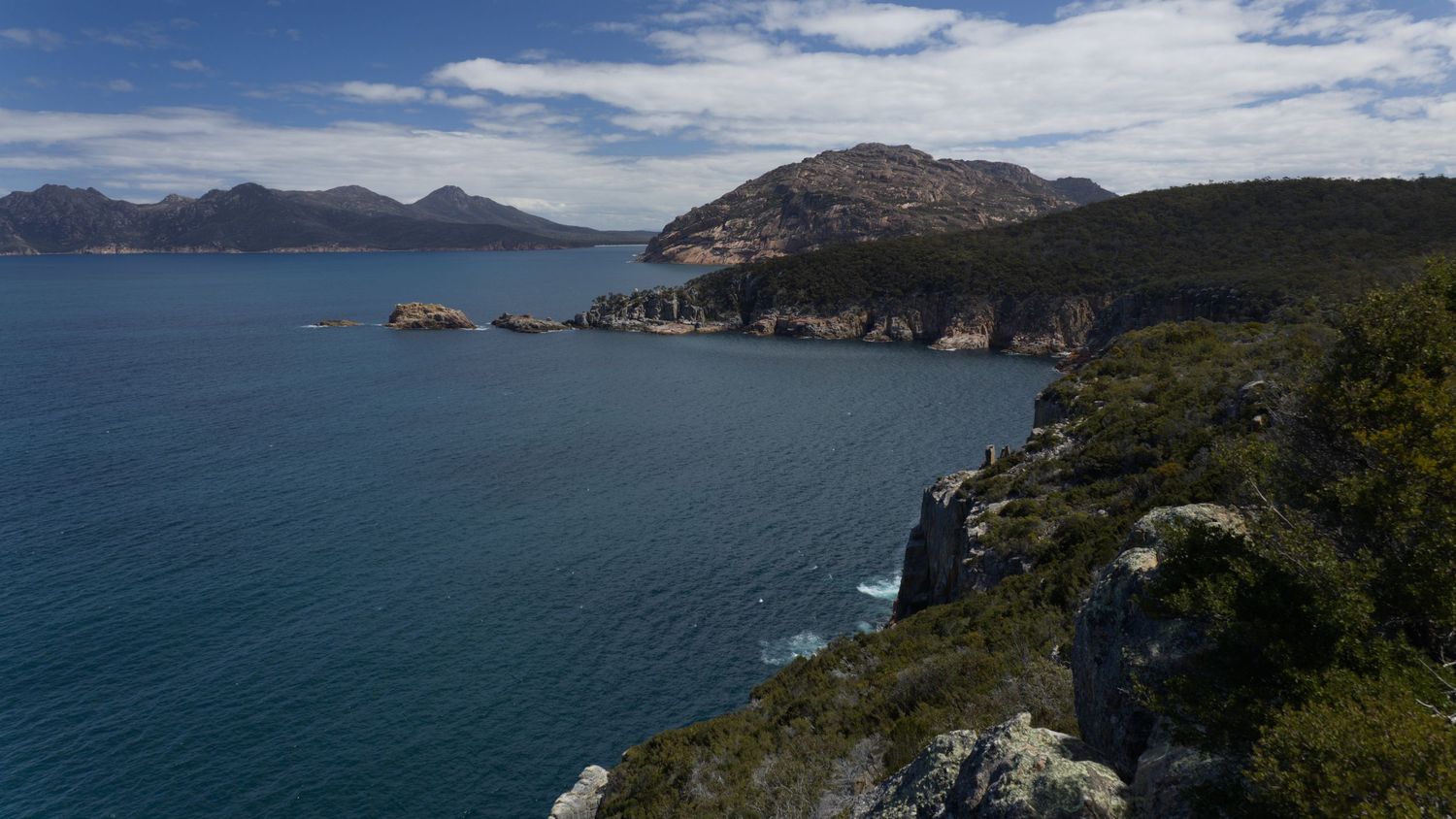
The unexpected Stop
The following morning it was time to head home. The trip was essentially over — or at least I thought it was.
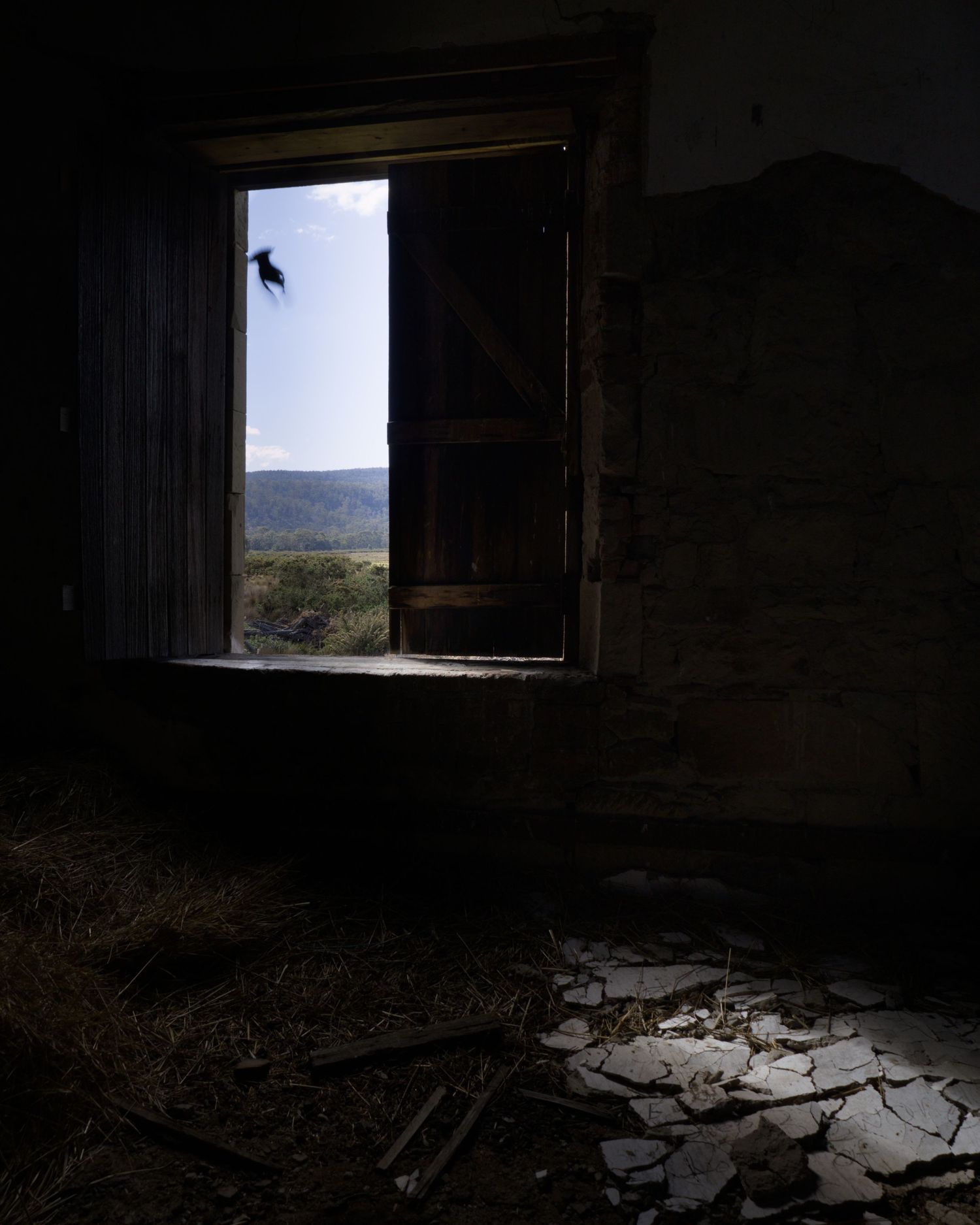
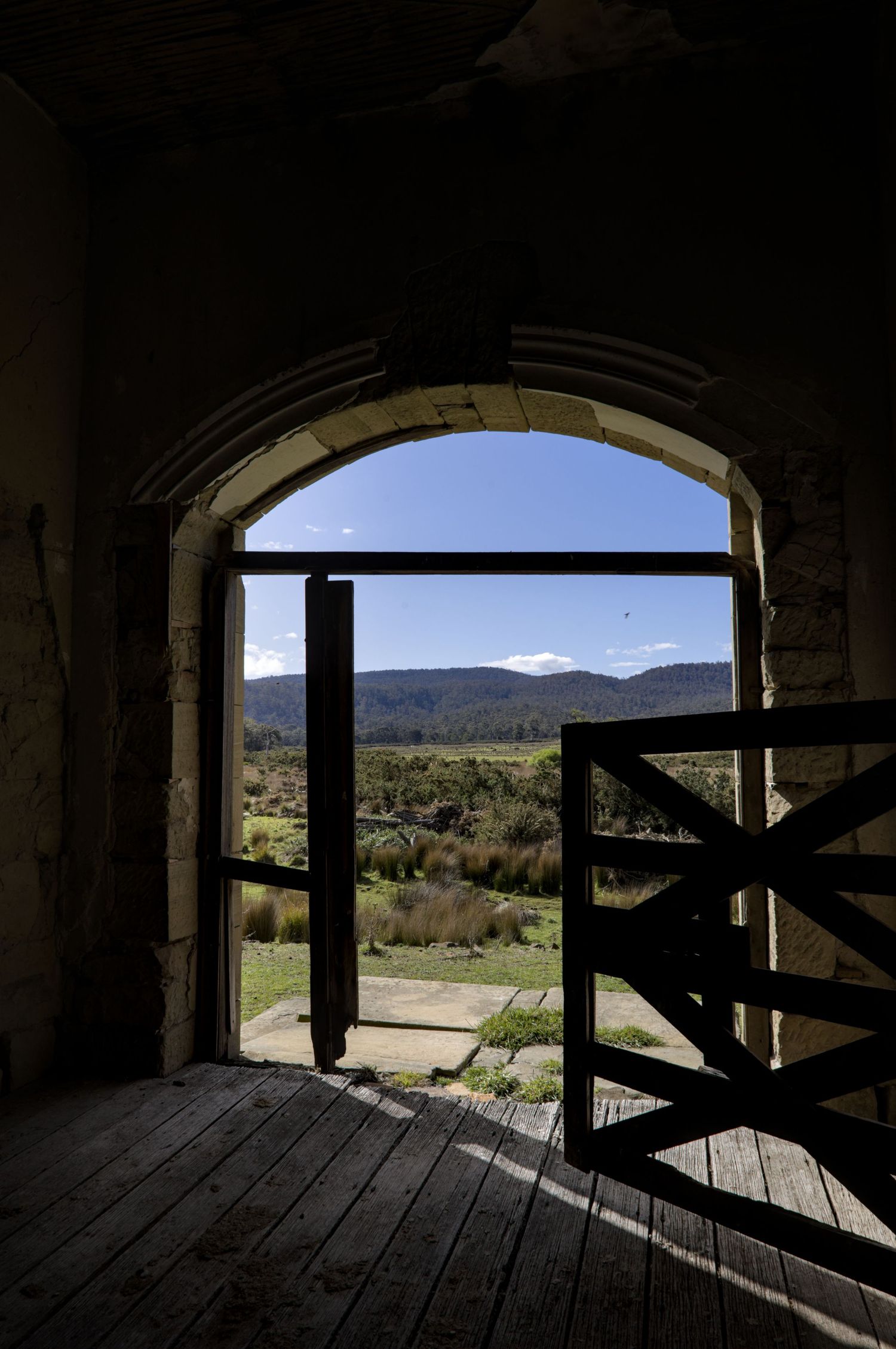
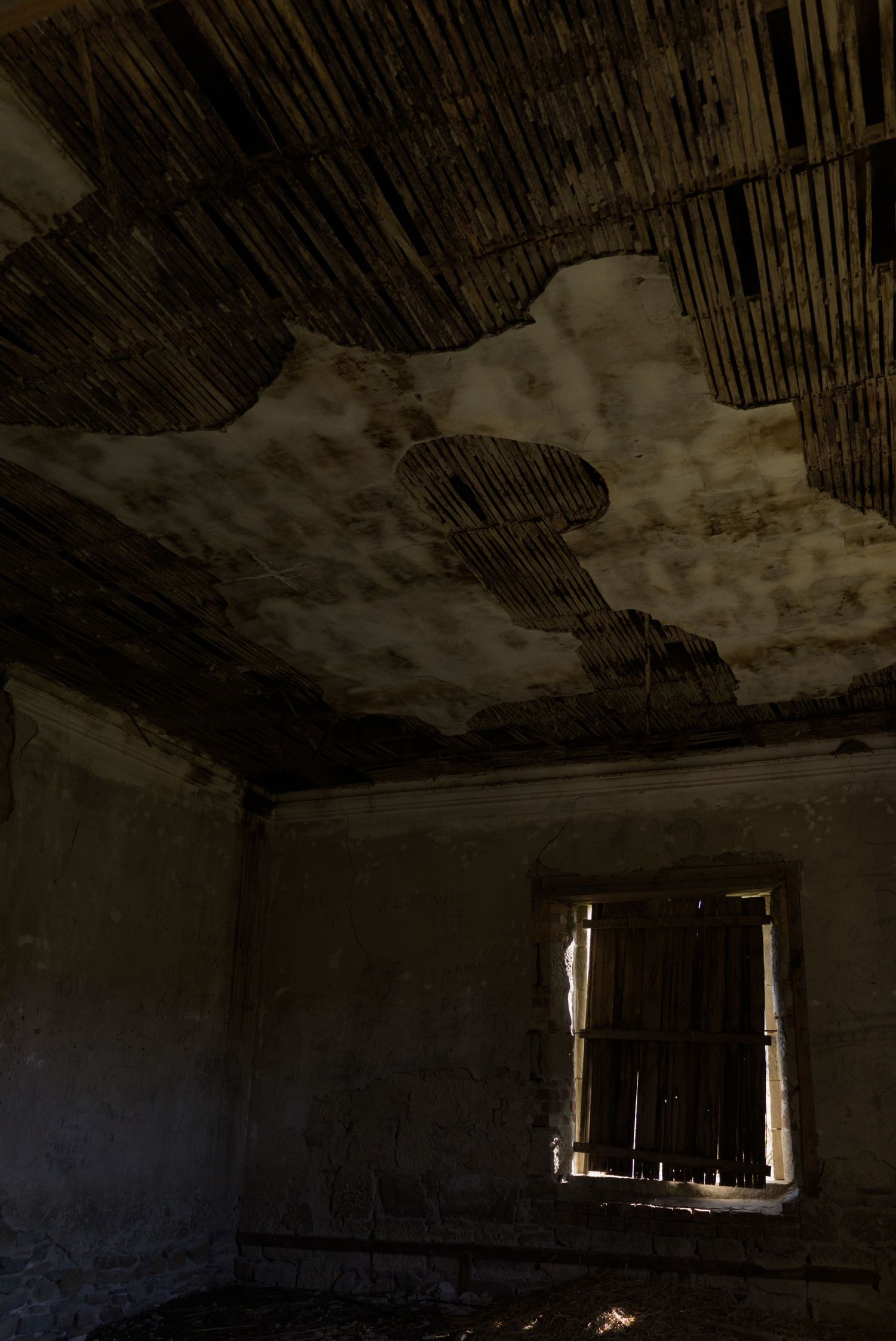
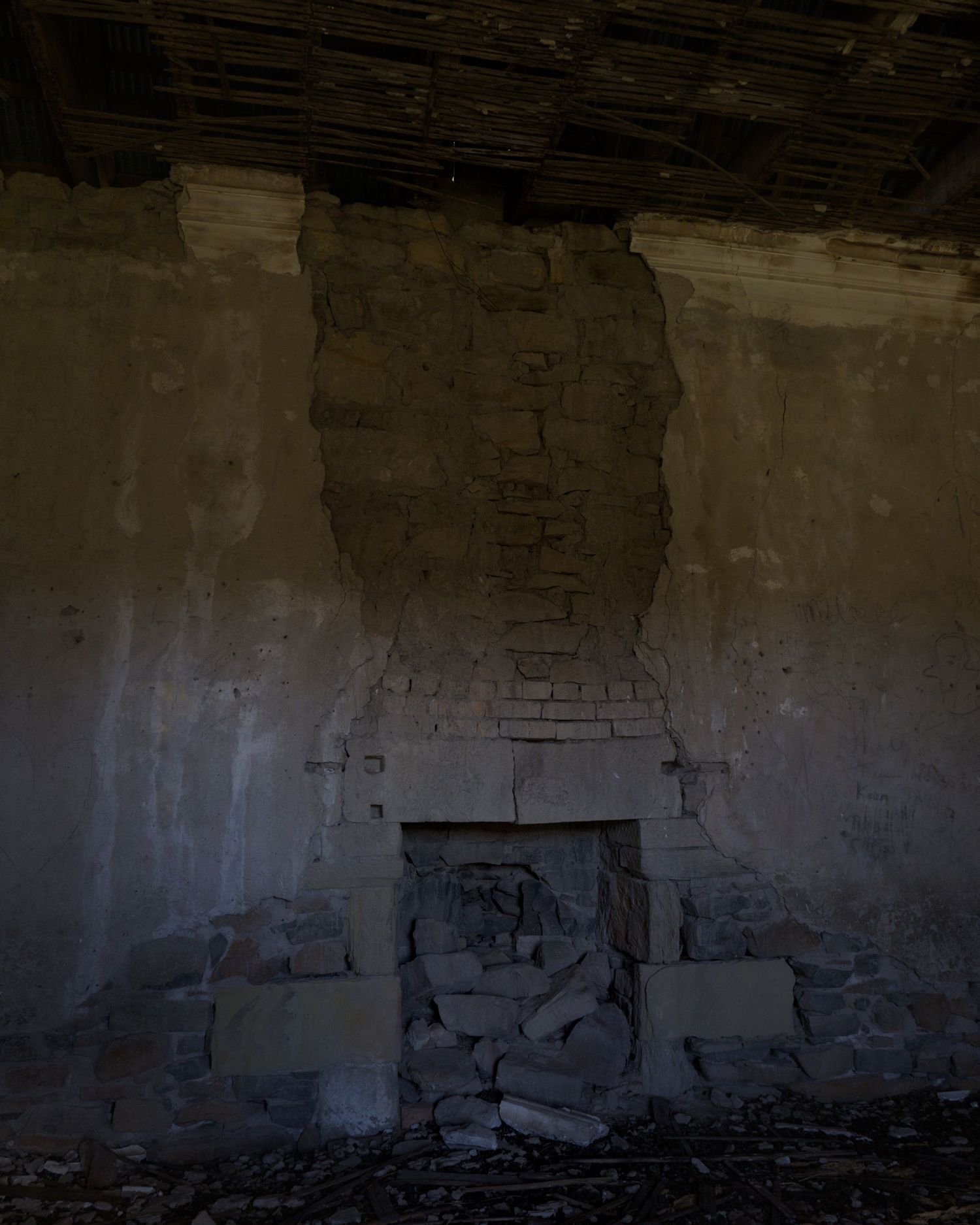
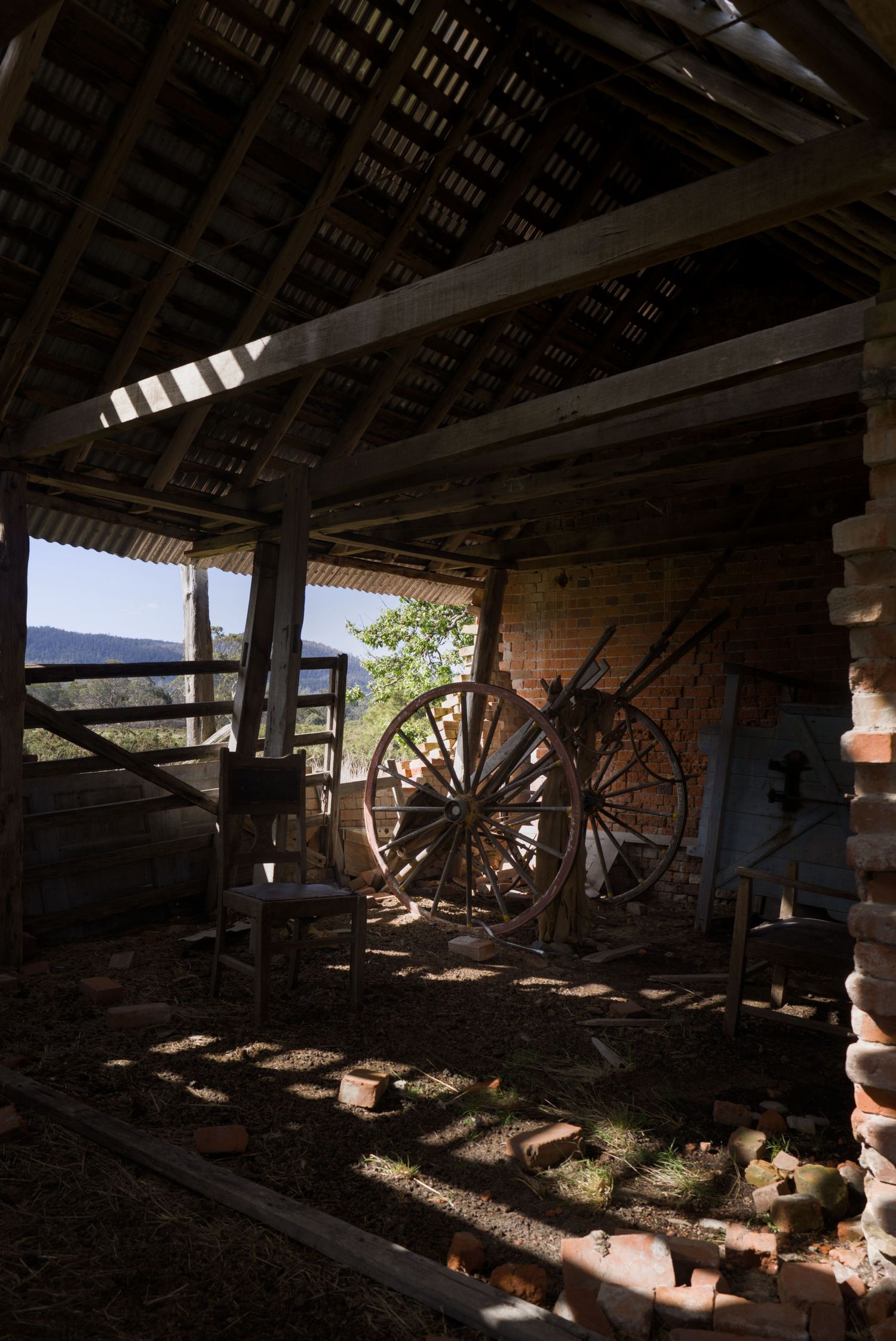
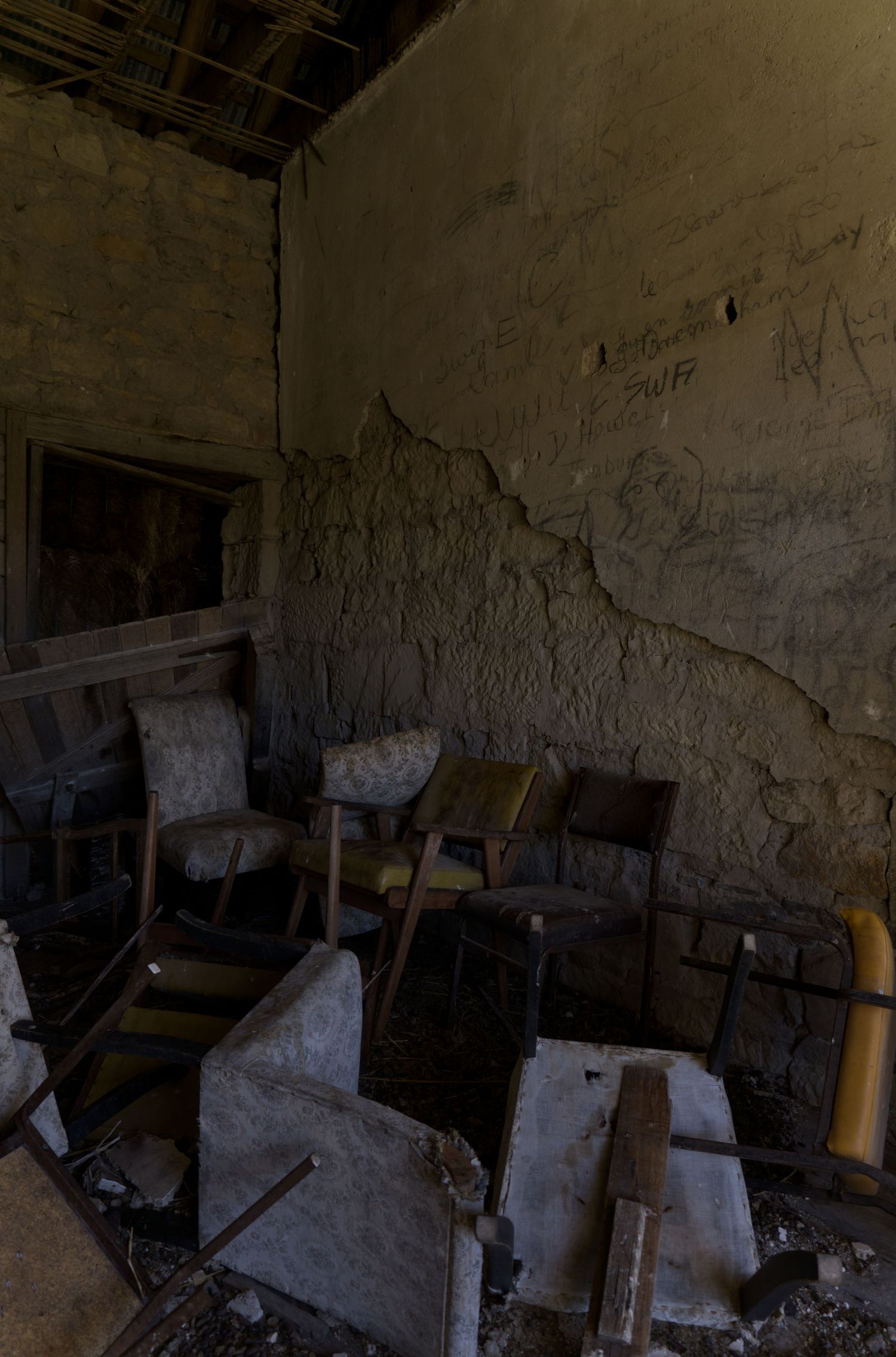
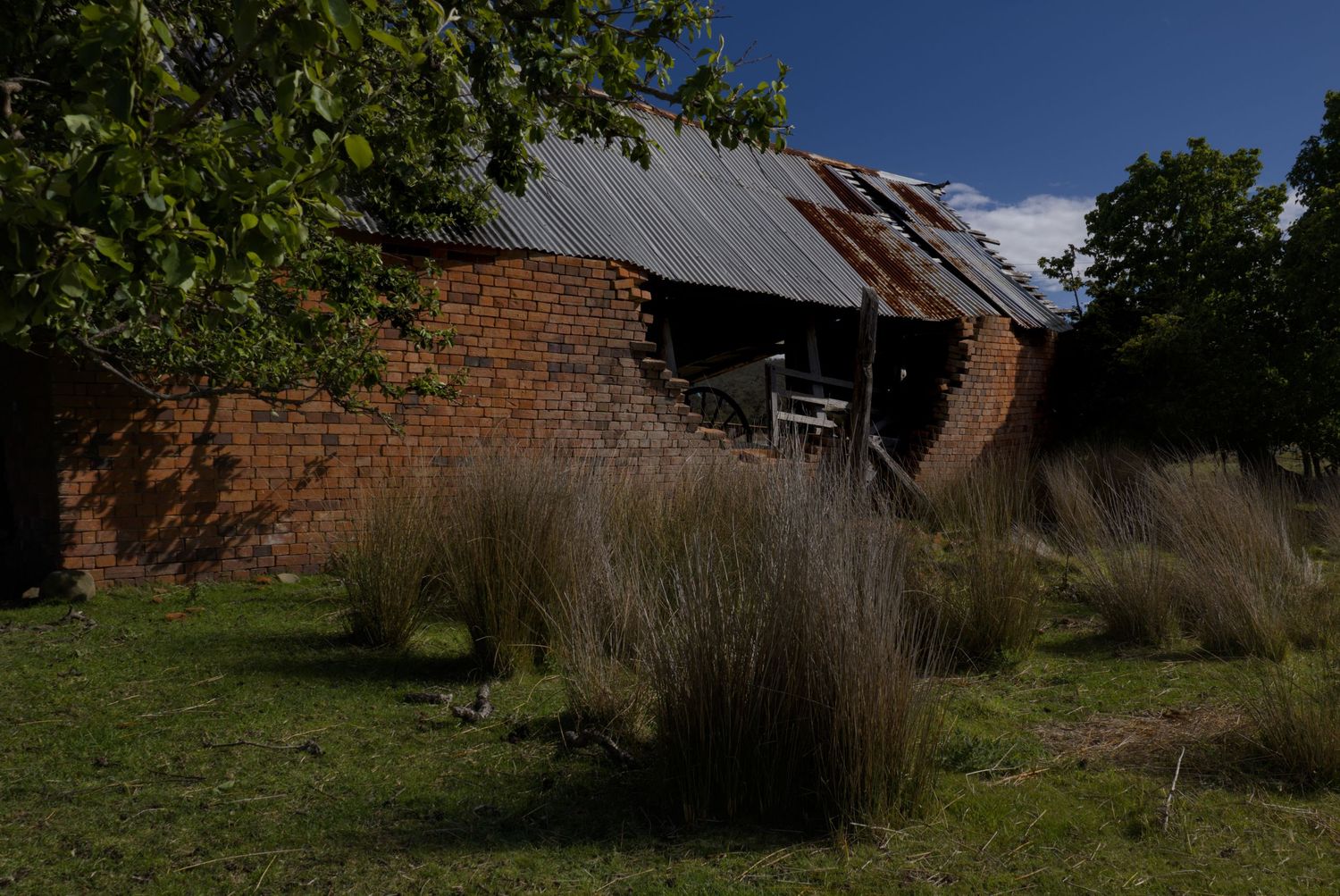
Somewhere along the drive, an old brick homestead caught my eye from the road. Weathered, partially crumbling and surrounded by paddocks, with sheep wandering casually around what remained of it, it was exactly the sort of place I find almost impossible to drive past.
So I pulled over.
I stayed beside the road at first, photographing the homestead from a distance, when a man pulled up in his truck and stopped beside me.
“You can go in there if you like.”
I must have looked slightly surprised.
“I own it,” he explained. “You can go in there if you like.”
After a little chat, I suddenly had permission to wander onto the property and photograph the old homestead properly.
I spent some time exploring around it and inside, photographing the worn brickwork, empty openings and all those little traces left behind when a building has been standing in the landscape for far longer than anyone intended.
And strangely enough, after driving north chasing auroras, photographing the Hazards beneath the Milky Way and climbing above Wineglass Bay, some of the photographs from this completely unplanned roadside stop became my favourites from the entire trip.
There was no forecast involved. No location I'd researched. No photograph I'd planned in advance.
I simply saw something, stopped the car, and was lucky enough to meet someone who said yes.
Spiky Beach and the Road Home
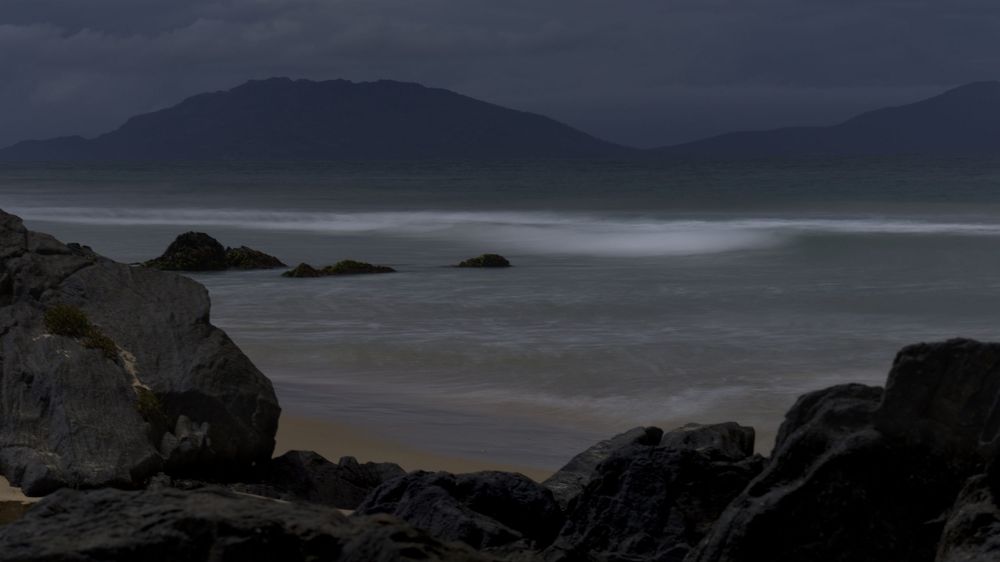
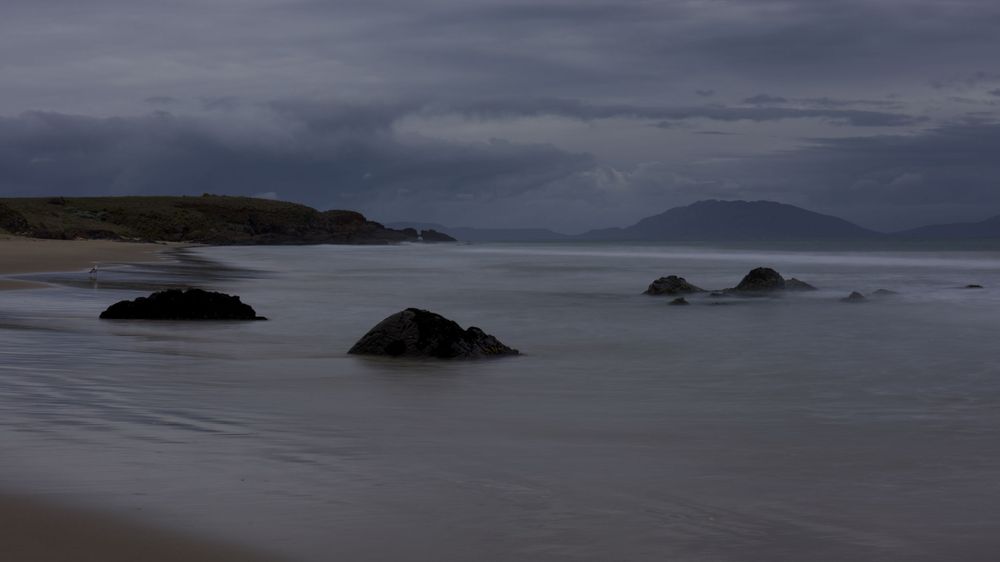
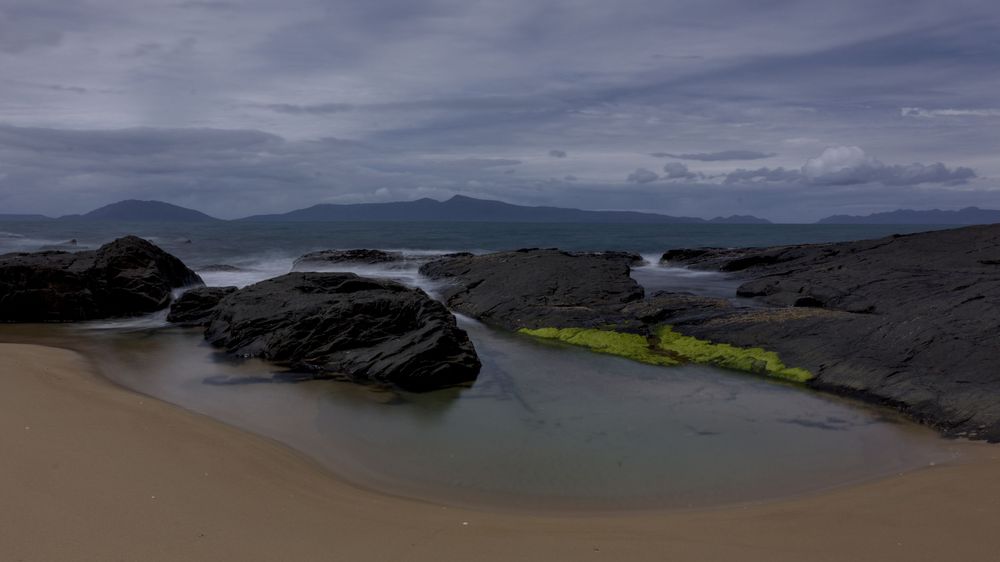
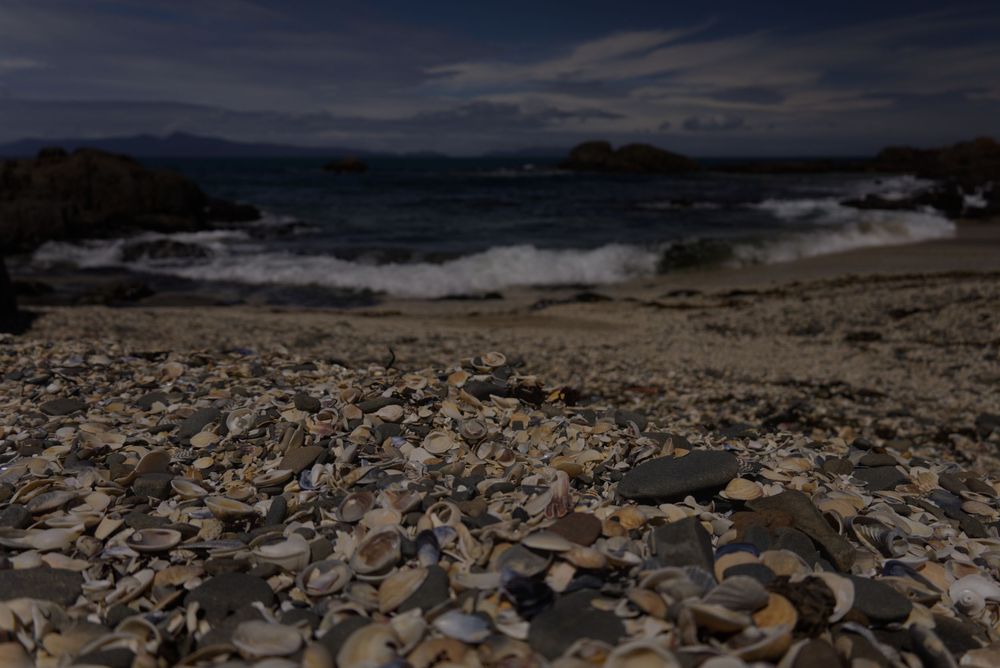
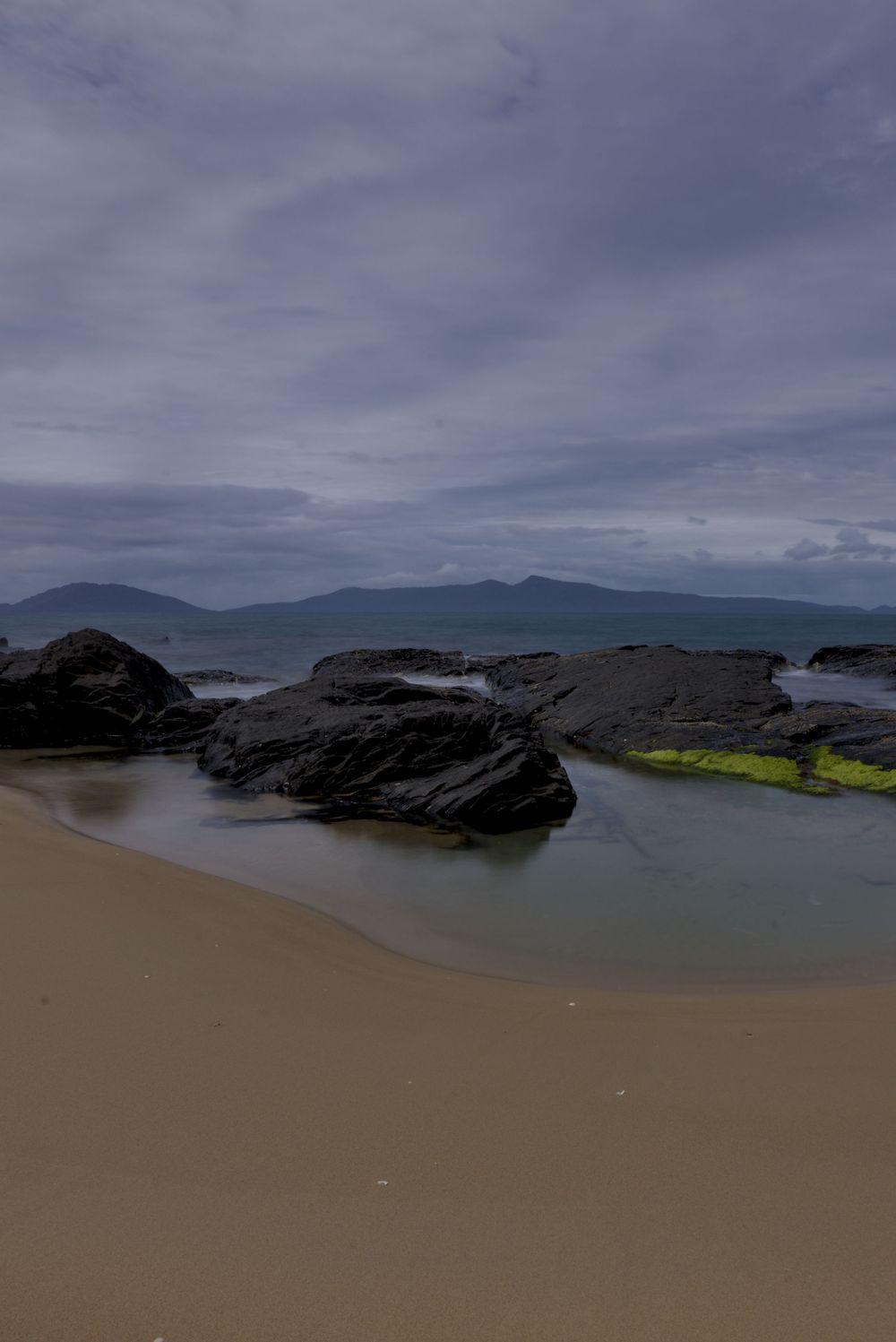
Continuing south, I stopped at Spiky Beach beneath a sky that looked as though it might open up at any moment. Dark, heavy clouds hung over the coast, giving the shoreline a wonderfully moody feel. It was exactly the sort of weather I love to photograph.
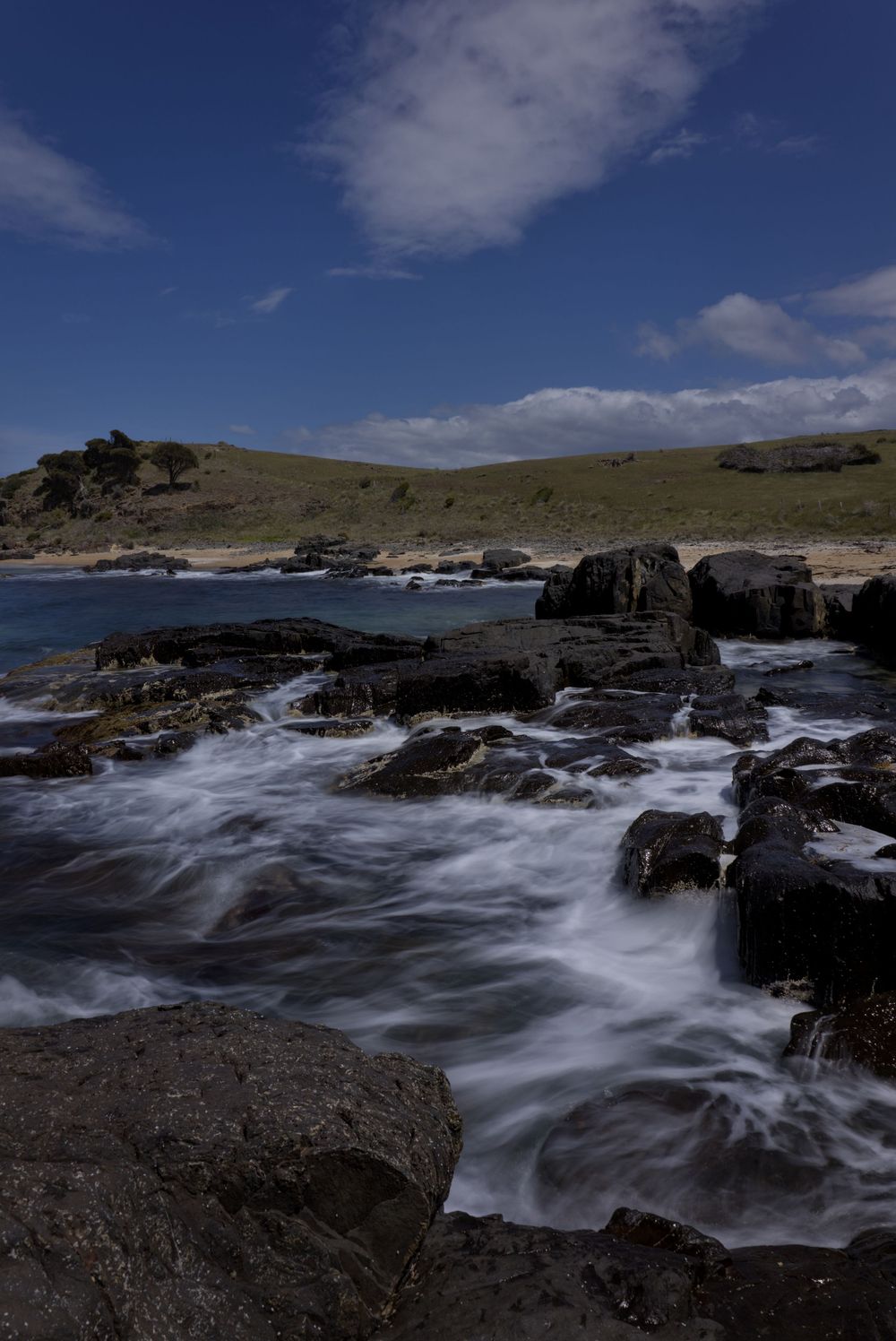
I ended up staying far longer than I'd intended, playing with the movement of the water around the rocks. With strong filters over the lens, I could slow my shutter speed and let the water sweep through the frame, softening as it moved. Then I'd switch to faster shutter speeds and photograph the same sea completely differently — freezing waves, spray and individual droplets in an instant.
While I was absorbed in all of this, the day gradually changed around me. The dark clouds began to break apart, patches of blue appeared, and sunlight started spilling across the coast. By the time I finally packed up the camera, the brooding beach I'd arrived at had transformed into a bright, beautiful afternoon.
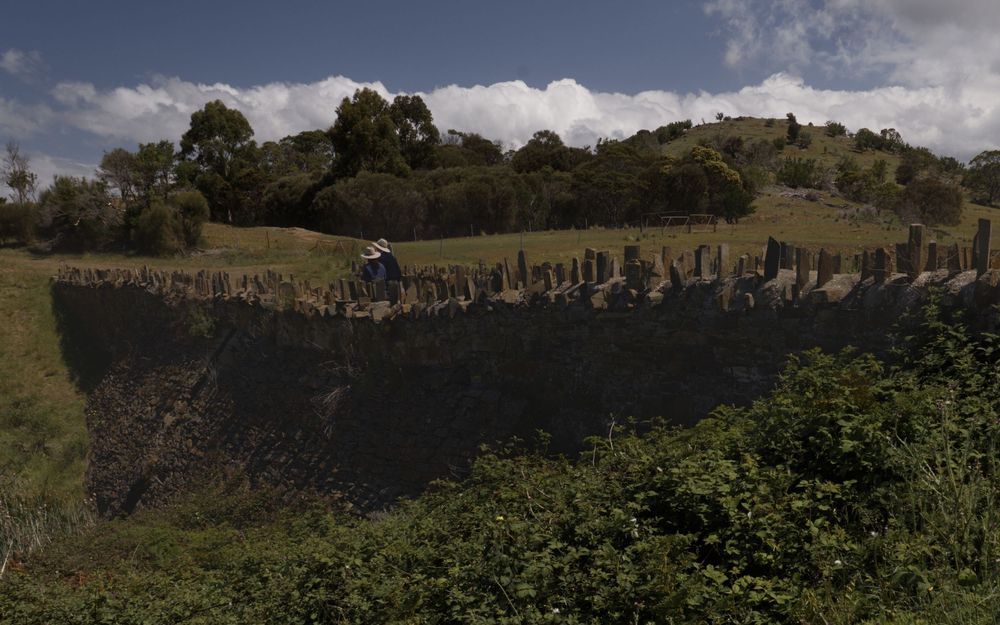
From there I continued on to Spiky Bridge — unfortunately just as all that lovely sunshine had become very enthusiastic.
The harsh light made photographing the bridge challenging, even with filters, and finding an angle I really liked was harder than I'd expected. I wandered around trying different compositions, made a few photographs and eventually accepted that Spiky Beach had been far more cooperative.
There was time for one last roadside distraction before heading home.
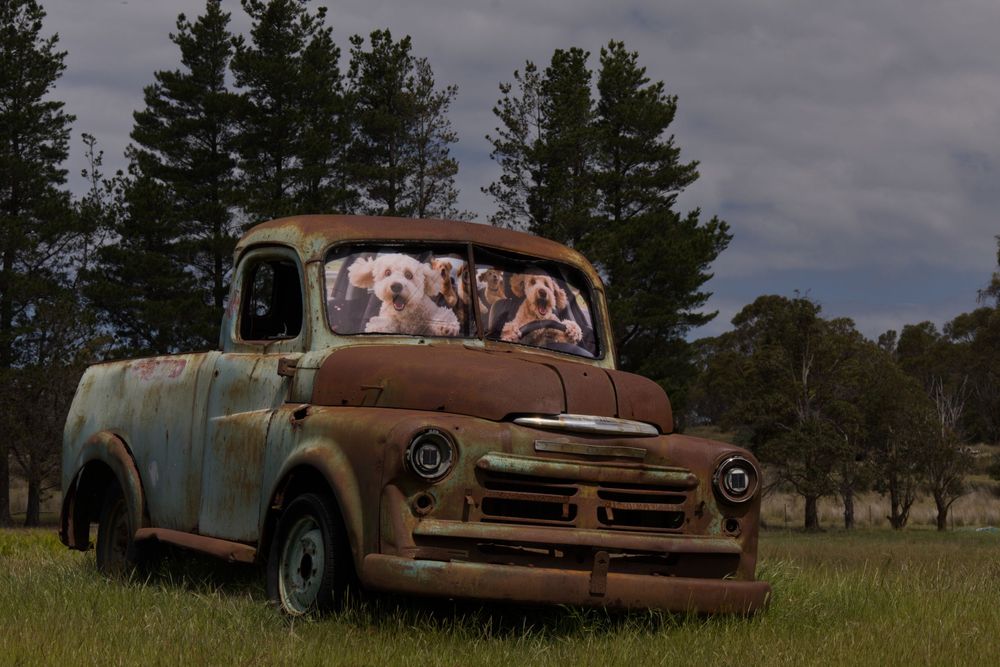
Sitting in a paddock was an old rusted car — weathered, abandoned and exactly the sort of thing that makes me pull over for a photograph. But it was what I spotted through the windscreen that made it irresistible.
An old sun visor was still stretched across the glass, printed with two dogs sitting in the front seats as though they were happily driving the car themselves. Against all that rust and decay, it was such an unexpected little piece of humour that I couldn't resist.
One last photograph. Two dogs behind the wheel. And then it really was time to head home.
Sometimes the Best Photographs Aren't Planned
I set out on this trip chasing the Southern Lights, but some of my favourite photographs came from everything I found along the way — a little wooden boat in the dunes, changing light over the coast, an unexpected invitation to explore an old homestead, and even two dogs apparently driving an abandoned car.
That, I think, is what I love most about wandering Tasmania with a camera. I may leave home with a photograph in mind, but I never really know what I'll find along the way.
Until the next wander.
